Tyres Categories


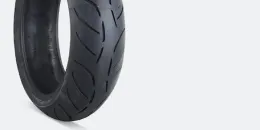

That “New Motocross Tyre” feeling
Regardless what level of rider you are, tyre wear massively impacts your bike's performance.






What tyres do I need?
Get to grip with Max Hind as he takes us through a 7min video on MX tyres. When to change? What size to use? What type of tyre? Let's watch…

How to change Motocross Tyres
When to change, what tools to use, and useful tips along the way. This guide takes you through the process step by step.

Motocross Tyre Buying Guide
Tyre dimensions, compounds, riding conditions and more. It's not as complicated as it sounds. Here is the only tyre buying guide you need.
Staff picks


Related Categories
FAQ's
Rotation arrows are on a motocross tyre's sidewall. They tell you the direction the tyre must rotate during forward motion. This information is essential when mounting a tyre to a rim.
Motorcycle tyre tread patterns work best in one direction. By mounting a tyre the wrong way on a rim, you may cause a loss of grip and premature or uneven wear.
New tyres are generally covered in a release agent to free them from the mould, which may give them a shiny or greasy finish. For road use, the break-in period is around 100 miles. For a dirt bike tyre, the break-in period is minimal.
Tyre pressure for a dirt bike is highly relevant and can considerably affect handling characteristics. For hard-packed and rocky terrain, you'll need high pressure, while low pressure is preferable on sand, mud, or motocross tracks. Be aware that too much pressure means less contact area. On the flip side, too little pressure can cause deformation of the tyre.
While there's nothing to prevent you from mixing brands on the front and rear wheels, it's essential to know that dirt bike tyres work best as a matched pair. By matching front and rear dirt bike tyres you ensure maximum performance and consistent wear patterns.
The back tyre often wears faster than the front on a motocross bike. The rear tyre is on the driven wheel and transfers engine power via the drive chain to the dirt. In addition, the rear tyre receives heavy brake use, resulting in faster wear. Apart from braking and steering duties, the front tyre is just along for the ride.