Find the right part for your vehicle
Add your vehicle and shop with confidence
Springs

- super price
From
$46.99
Originally: $94.99
YSS Universal Suspension Shock Absorber Red

- super price
From
$39.99
Originally: $94.99
YSS Spring Black

- super price
From
$71.99
Originally: $117.99
YSS Fork Springs

From
$63.99
Originally: $71.99
YSS Suspension Universal Chrome Springs

From
$43.99
Originally: $55.99
YSS Suspension Spring Set Black

- super price
From
$42.99
Originally: $87.99
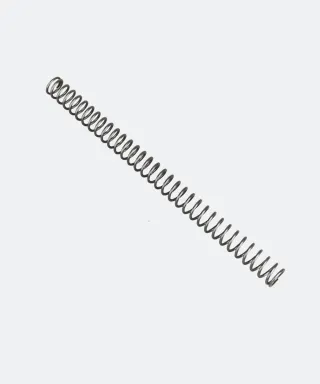
YSS Suspension Spring Chrome
From
$27.99
Originally: $174.99
Twenty Fork Spring

From
$58.99
Originally: $189.99
Rtech Fork Springs

- Out Of Stock
$101.99
Originally: $199.99
Öhlins Fork Springs to OEM fork

- Out Of Stock
$97.99
Originally: $199.99
Öhlins Spring Kit
- Out Of Stock
$76.99
Originally: $129.99
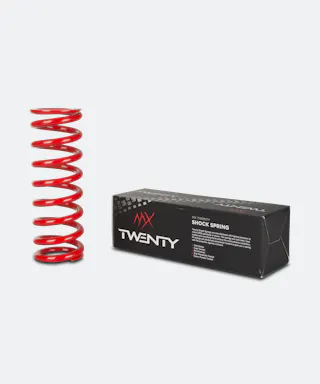
Twenty High Performance Shock Absorber Spring - Red

- Out Of Stock
$644.99
Originally: $1,379.00
Öhlins Shock Absorber no spring

- Out Of Stock
$79.99
Originally: $137.99
Öhlins Shock spring

- Out Of Stock
$75.99
Originally: $254.99
Rtech Shock Spring
- Out Of Stock
$560.99
Originally: $944.99
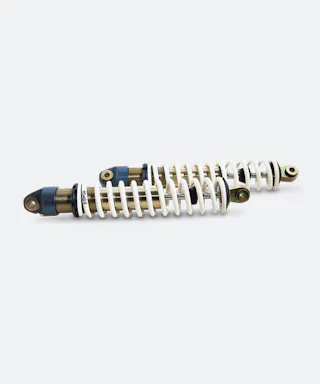
Engans Front Chassis Pair Shock Absorber

- Out Of Stock
$67.99
Originally: $124.99
Öhlins Shock Spring 85cc

- Out Of Stock
$797.99
Originally: $1,169.00
Öhlins TTX Shock Absorber

- Out Of Stock
$103.99
Originally: $189.99
Öhlins NIX Spring Kit 30mm

- Out Of Stock
$70.99
YSS Springs Chrome 46-17-25-220

- Out Of Stock
$309.99
Originally: $514.99
Engans Shock Absorber

- Out Of Stock
$51.99
Originally: $224.99
Twenty High Performance Front Fork Spring

- Out Of Stock
$57.99
Originally: $112.99
Twenty High Performance Shock Absorber Spring - Orange

- Out Of Stock
$72.99
Originally: $134.99
Öhlins TTX Shock Springs

- Out Of Stock
$57.99
Originally: $119.99
Twenty Shock Spring

- Out Of Stock
$109.99
Originally: $157.99
Progressive Fork Spring Kit
Motorcycle Suspension Explained:
Demystifying the Terminology
For many riders, there is a lot of mystery about how a motorcycle's suspension works. Even though it's easy to see that the up and down movement is caused by the spring, most riders don't understand the magic that happens inside and what really makes the difference between good and not-so-good suspension. Not only is it important to know about these important parts, but it will also help you become a better and more comfortable rider in the long run.
How Does Motorcycle Suspension Work?
Both motorcycle shocks and the suspension part of the forks can be broken down into two main parts. The spring's simple job is to carry the load and absorb the impact of bumps and other road flaws. The damper's job is to get rid of the energy that is created when the spring is compressed and then stretched (usually referred to as compression and rebound). The ideal suspension is one where you rarely bottom out, but it doesn’t give you too harsh of a ride. It’s also about how well the suspension allows your tire to remain on the ground, giving you as much traction as possible.
Springs
The spring is mostly wound steel and determined by its rate. Rate is the force needed to compress the spring, measured in pounds per inch. For example, 100 lbs are needed to compress a spring at a 100 lbs/inch rate. 100 lbs of force are needed for each inch of compression. So, 200 lbs would be required to make this spring compress 2 inches. That’s called a linear or straight-rate spring. Progressive rate springs allow a single spring to have various rates. For example, if the initial rate is 100 lbs for the first inch, then the second inch may require an additional 120 lbs. And then the third inch may require 150 pounds. This progressive rate spring allows the spring to absorb both little bumps and big hits without bottoming out.
Dampers
Now that your motorcycle has "taken" a bump, the compressed spring has stored the energy of the hit and without a damper would release it in a torrent of rebound force, expanding the spring beyond its static length and repeating the cycle until the energy expended, bouncing uncontrollably. With just a spring, it would make your bike hop down the road. The solution is to use a damper. Spring action is transferred to the oil and dissipated as heat.
Spring Preload
Spring preload is the most misunderstood suspension term. Spring preload is the spring's compression while the suspension component is completely extended. Consider a bike's removed shock. It's completely stretched and weightless, but a threaded collar compresses the spring a few millimeters. That’s preload. Preload compresses the spring to increase the load needed to start suspension movement. It also changes the force needed to bottom the suspension piece. It does not alter the spring rate.
Sag
Shocks work in both directions. If all road hazards were bumps, shocks would only have to deal with compression. Unfortunately, potholes and other gaps in the road require a shock to instantly extend in the other direction, which is rebound. In other words, a shock must be ready to compress instantly or extend instantly to avoid jarring the rider. So, how do you deal with that?
Sag to the rescue!
Sag is where a shock compresses slightly under the weight of the bike and rider before being asked to perform. Most shocks have preload adjusters to adjust sag. Free sag is how much the bike “sags” under its weight. Free sag is measured from the rear axle center to an arbitrary position above the axle (a fender bracket, for instance). Off the stand, a helper holds the bike straight up. A solid rear-end lift (raise up the bike by the fender or rack as far as you can) unloads the shocks and allows a free sag measurement.
Rider sag is measured with the rider on the bike (with all gear on too) and a helper or two supporting it. The rear axle center is measured again to the same position. The difference between the two measurements is your ultimate Sag. In general, sag should be about 1/3rd of the total suspension travel for your bike. So, if your bike has 12 inches of travel, then your rider sag should be 4 inches (4 X 3 = 12). But this depends upon usage, extra luggage carried, and rider preference. Check your manual for precise sag measurements.