Find the right part for your vehicle
Add your vehicle and shop with confidence
Action Cameras & Accessories

$66.99
RAM® Mounts Tough-Claw™ Double Ball Universal Camera Mount Kit

- super price
From
$10.99
Originally: $29.99
Muc-Off Essentials Case

From
$69.99
Dango Design Gripper Camera Mount

$29.99
Originally: $37.99
USWE Action Camera Harness NDM 2, Click On, One Size Black
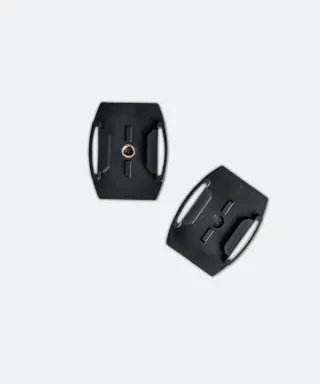
- super price
$3.99
Originally: $12.99
Raven Action Camera Helmet Mount Flat & Curved

$70.99
Originally: $124.99
O'Neal Quin Pro Smart Sensor

$38.99
Originally: $46.99
USWE Action Camera Harness NDM 1 Black
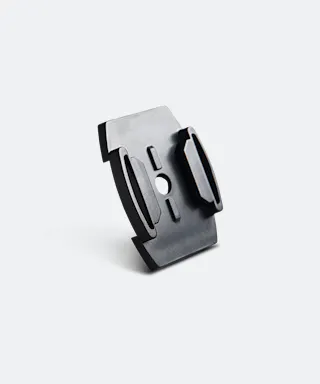
- super price
$3.99
Originally: $12.99
Raven Action Camera Helmet Mount Flat & Curved

- super price
$36.99
RAM® Mounts Short Arm GoPro Mount Kit
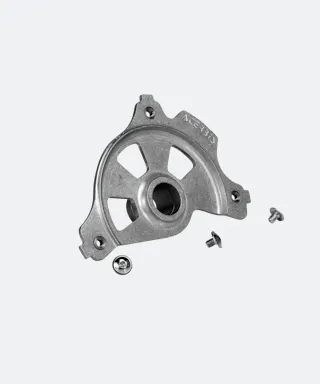
$26.99
Originally: $29.99
Acerbis X-Brake Mounting Kit
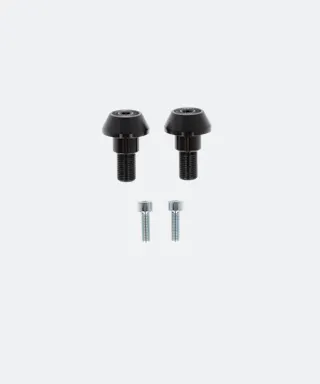
From
$17.99
Originally: $29.99
Acerbis Mounting Kit Handguards

From
$76.99
Originally: $157.99
Akrapovic Fitting kit
$35.99
Originally: $39.99
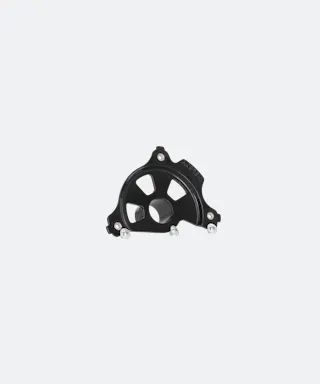
Acerbis Disc Cover Kit

- Out Of Stock
$4.99
Raven Pro Action Camera USB Cable

- Out Of Stock
$6.99
Originally: $7.99
Raven Pro Action Camera Protective Frame

- Out Of Stock
$12.99
Mounting Bracket Set for Helmet Lamp/Helmet Camera

- Out Of Stock
$111.99
MIDLAND Bike Guardian Dash Camera Black

- Out Of Stock
$26.99
Originally: $42.99
Raven Pro Action Camera Accesories Pack

- Out Of Stock
$18.99
Dango Design Adapter Pack Camera Mount

- Out Of Stock
$9.99
Originally: $14.99
Raven Pro Action Camera Waterproof Case

- Out Of Stock
$109.99
Originally: $189.99
Raven Pro Action Camera 4K

- Out Of Stock
$142.99
Originally: $174.99
MIDLAND H9+ Action Camera Yellow
In the Know, On the Go with a Bluetooth Motorcycle Intercom and GPS
Bluetooth technology has taken motorcycle riding to the next level. To be in the know on the go, read on and discover the best Bluetooth-enabled motorcycle intercoms and GPS systems. Before we begin, here’s a quick clarification of the difference between a Bluetooth intercom and a GPS. Motorcycle helmets are not equipped with GPS devices, meaning the intercom and GPS are separate units. A Bluetooth intercom system fitted to a motorcycle helmet is packed full of great communication features including the ability to connect wirelessly to a third-party GPS. So whether battling through the concrete jungle or on a coast-to-coast road trip, motorcycle intercoms make a ride come alive. Depending on the unit you choose, you can talk to your pillion, other riders in your group, listen to music, take calls, and hear GPS prompts. On some systems, you can do all the above.
Motorcycles Helmets with Bluetooth
Bluetooth motorcycle intercoms attach to the left side of your motorcycle helmet. The speakers and wiring are hidden behind the comfort liner. Meanwhile, some motorcycle helmets come with the system pre-installed by the manufacturer.
How does a Bluetooth Motorcycle Intercom work?
At one time, talking to your pillion passenger or listening to GPS instructions meant being physically connected to them via a wire. Much the same way as you pair wireless ear buds to a Smartphone, a Bluetooth intercom is paired to a Smartphone, GPS or MP3 player. The process varies from make to make but all good brands offer a downloadable app to customise the settings.
Features to look for in a motorcycle intercom
Ride alone or with the occasional pillion and a basic Bluetooth system such as the Sena SMH5 will cover your needs. If you enjoy regular road trips with a large group you may consider an intercom like the Cardo Packtalk Bold. This intercom features DMC (Dynamic Mesh Communication) allowing multi-rider communication over greater distances. Likewise, the amount of wireless devices you want to access will dictate the number of channels the intercom can pair with. If you value quality audio for your music, pay attention to speaker size and quality. Also, check if it includes noise-cancelling software. Be aware that some Bluetooth motorcycle intercoms only pair with the same brand, while others such as the Midland BTX1 Pro S will pair with any device.
Motorcycle GPS
Global Positioning System or GPS is a compact unit that attaches to your motorcycle’s handlebars. A constantly updating map appears on a small LCD screen, which provides directions to a chosen destination.
How does a Motorcycle GPS work?
It may seem hard to believe but that small device on your motorcycle has access to at least 24 orbiting satellites. Each satellite follows an exact orbit and transmits a unique digital signature. Your motorcycle GPS is a receiver that uses information from three of these satellites to triangulate your precise location. In most conditions, a good GPS can calculate an exact location anywhere on the planet to within 30-cms.
What to look for in a Motorcycle GPS
GPS systems range from simple to multi-function. Working out what features you need, will dictate the GPS you choose. Here are some top tips to guide you in the right direction: Check for map update charges. Find out how the device loads any updates e.g. are they via onboard WI-FI or connection to a computer. To hear voice prompts from the GPS via your intercom, it will need to be Bluetooth-equipped. If it isn’t, you’ll have vision but no sound. Find out if the motorcycle’s electrical system can charge the GPS. If not, battery life is particularly important. Mounting systems should be secure, vibration and water-resistant and compatible with the handlebars. Finally, check if the Motorcycle GPS comes with anti-theft hardware. If it doesn’t, you will need to remove it every time you make a stop. Options like the TomTom Rider WORLD Premium contain all of the above plus a host of extra features. Motorcycle intercoms and GPS systems not only enhance a road trip but they can also make it safer. Stay in the know on the go and make the most of your ride with a motorcycle intercom.
Helmet Cameras
More and more motorcyclists choose to add a camera to their helmet. Not only does it provide additional safety, but it also allows you to enjoy nature and show your friends where you’ve been. Although there are enough action cams available on the market, not all of them are suitable for your motorcycle rides. Let’s check what you must consider when buying a motorcycle helmet camera.
Types of helmet cams
There are different types of helmet cams available. The most common helmet camera is the one recording what you see as a motorcyclist. It is generally mounted on the left side of the helmet, where it is easier to control and can be controlled without releasing the gas. The pricing of this type of camera varies a lot but is generally the more affordable one.
Another type of camera is a 360-camera, placed on top of the helmet. The big advantage is that it records in a 360 angle, which allows you to record things happening in front of you, but also behind you. However, this type of camera is less affordable and harder to control. As it is harder to reach, it is advised to turn the camera on and off before and after getting on your motorcycle.
Advantages and disadvantages of motorcycle helmet cameras
What you need to consider, is that there are more than enough advantages of helmet cameras, but that there are also some disadvantages there. Let’s check them out. The first advantage is that it allows you to record your rides. On the one hand, you can relive your ride later, independent if you’re driving through the mountains or in the dirt.
Secondly, you are also available to record possible accidents. Insurance company scams occur more and more, which is why those companies are more than happy if you can show them whose fault the accident was. If you have such a camera, you can immediately show that the car didn’t give your priority, although it should.
One of the main disadvantages of the helmet camera is that it, in most cases, only records the direction you’re looking at. This means that it does not record it when a car hits you from behind for example. As we’ve seen, it is possible to buy a 360-camera, but that does also increase the price of the camera significantly. This is something you need to consider when buying the camera.
Another point of attention is the battery life of the camera. While a lot of cameras have a battery life sufficient for one or multiple rides, not all of them do. It is possible to add a portable charger to your helmet to extend the battery life. When buying a camera helmet, this is one of the most important factors to consider. A big disadvantage of a camera is if the battery life is to short to record a full day of riding!
Where to place the helmet camera
It’s important to mention that there are several places where your can mount the helmet camera onto your helmet. The most used place is on the left side of the helmet, next to the visor. There are multiple reasons why this is the best place to do so. Firstly, it allows you to activate or deactivate the camera without releasing the gas.
Secondly, if you place the camera on the left side of the helmet, it records most of the action. If cars are passing you, they will always do that on the left side, which means they are visible earlier on the camera as well. Important to consider when choosing a camera is that it’s easy to control. Small buttons are hard to press or adjust when you are wearing winter gloves.