Back Protectors

$35.99
Originally: $47.99
Raven Pagnus Flex Level 2 Back Protector

$44.99
Originally: $76.99
Raven Phalanx Level 2 Back Protector

$111.99
Originally: $152.99
Alpinestars Nucleon KR-1 Back Protection Smoke-Black-Red

$35.99
Originally: $39.99
Furygan D3O EVO Level 2 Back Protector

From
$29.99
Originally: $39.99
iXS Back Protector CCS Level 2

$141.99
Originally: $149.99
Alpinestars Nucleon KR-2 Back Armour - Black-Smoke-Red

$42.99
Originally: $44.99
Ixon FANOM Back Protector Khaki

$141.95
Originally: $149.99
Alpinestars Nucleon KR-2 Back Protector Black-White

$107.99
Originally: $119.99
Rev'It! Slingshot Back Protector Black

$75.99
Originally: $76.99
Zandonà x8 Kid’s Back Protection
From
$36.99
Originally: $47.99
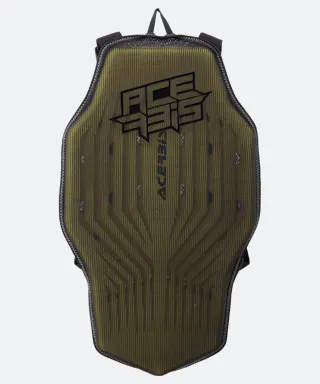
Acerbis Blazar Back Protector Black-Yellow

$28.99
Originally: $29.99
Ixon Fanom BFB 1 Back Protector

$75.99
Originally: $76.99
Zandonà x7 Kids Back Protector (121-135 cm)
$100.95
Originally: $116.99
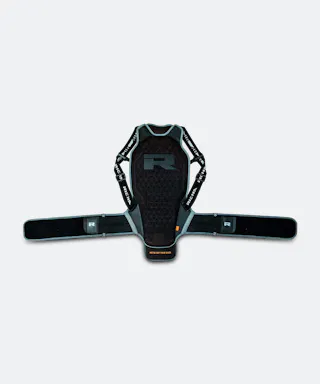
Richa D3O Backshield Back Protector Adult Black

From
$81.95
Originally: $94.99
Leatt 2.5 FlexMesh Back Protector V26

$73.99
Originally: $76.99
Zandonà Spine x6 Kid’s Back Protector

$167.95
Originally: $176.99
Alpinestars Nucleon KR-1 Celli Back Protector Transparent-Red-Black

From
$86.99
Originally: $149.00
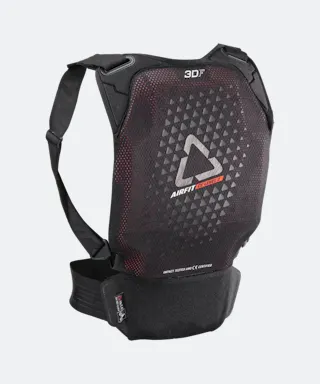
Leatt 3DF AirFit Evo Back Protector
$105.95
Originally: $122.99
Leatt 3DF Airfit Evo Back Protector V26

$208.99
Originally: $219.99
Alpinestars Nucleon KR-3 Back Protector Smoke-Black-Red

$249.99
REV'IT! Spina Back Protector

From
$130.95
Originally: $164.99
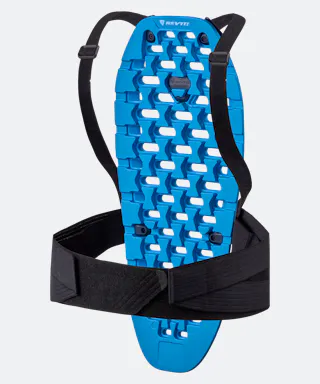
Zandonà Hybrid Pro x6 Back Protector Pink
$249.99
REV'IT! Spina Back Protector

$170.99
Originally: $189.99
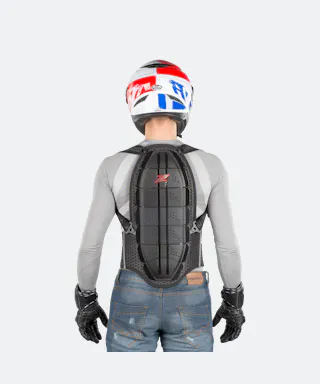
Rev'It! Back Protector SEE
From
$85.99
Originally: $109.99
Zandonà Shield Evo x7 Back Protector Black

From
$116.99
Originally: $161.99
Zandonà Hybrid Pro x8 Back Protector Black

From
$80.99
Originally: $99.99
Zandonà Shield Evo x8 Back Protection Black

$89.99
Originally: $99.99
Macna Vault Back Protector Black-White-Red

From
$137.99
Originally: $161.99
Zandonà Hybrid Pro x3 Back Protector Black

$106.99
Originally: $124.99
Zandonà Netcube Pro x8 Back Protection Black

From
$89.99
Originally: $124.99
Zandonà Netcube Pro x7 Back Protection Black
$127.99
Originally: $144.99
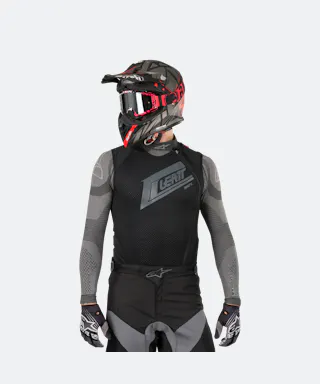
Leatt 3DF Back Protection Black

$134.99
Originally: $161.99
Zandonà Hybrid Back Pro x7 Back Protector White

From
$128.99
Originally: $161.99
Zandonà Hybrid Pro x8 Back Protector Red

$94.99
Originally: $124.99
Zandonà Netcube Pro x6 Back Protection Black

- Out Of Stock
$32.99
Originally: $34.99
Bowtex Sas-Tec Tripleflex CE Level 1 Back Protector

- Out Of Stock
$36.99
Originally: $37.99
Bowtex Sas-Tec Tripleflex Full CE Level 1 Back Protector

- Out Of Stock
$159.99
Originally: $161.99
Zandonà Hybrid Pro x6 Back Protection Green

- Out Of Stock
$29.99
Originally: $34.99
Macna Sas-Tec Scl-13 Back Protector

- Out Of Stock
$147.99
Originally: $161.99
Zandonà Hybrid Pro x6 Back Protector White (158-167 cm)
FAQ's
Your Guide to Motorcycle Back Protectors
Whether you ride a hyper sport or naked bike, protecting your spine should be a top priority. It’s a fact, back protectors are a vital safety upgrade for your motorcycle apparel. Some motorcycle jackets have protective padding built-in to the back. Yet, the most popular type of back protector is one you can wear independently. This type will offer flexibility and protection on every ride. XLMOTO has an impressive collection of safety-approved back protectors. What’s more, we at XLMOTO will make sure you have all the information you need to help you choose the best one for you. Back protectors are not compulsory for road use, however, they are mandatory on the racetrack. It’s interesting to note that the first professional rider to wear one was Barry Sheene in 1979. No one wants to suffer a motorcycle accident but in the worst-case scenario, wearing a back protector could mean you get to walk away. Like all good pieces of safety and tuning kit, racetracks provide the world’s fastest R&D department. Today, competitively priced motorcycle back protectors are available to everyone.
How to Wear a Motorcycle Back Protector
All motorcycle back protectors, starting at entry-level, have securing straps around the shoulder and a waist belt. These are essential to keep the back protector in the right place. More advanced back protector models feature additional securing points. These ensure not only a good fit but also provide extra comfort. Some motorcycle back protectors may appear larger than others. However, their primary purpose is to protect the spinal column rather than the entire back. The most crucial point is to be able to secure the back protector safely in place while remaining comfortable.
Fit and Sizing
Getting the correct fit of a motorcycle back protector is essential. All brands have different manufacturing processes, meaning that placement and fit will differ slightly. For this reason, you may need to try on a variety of back protectors before finding one that sits just right. Some motorcycle back protectors have a basic shoulder strap and waist belt. For this type, sizes relate to the waist size. For more advanced back protectors, measurements get taken in up to three locations. These are height, waist and shoulder to waist. As the correct fit is important, there are two main points to remember. First, coverage should be from the base of the spine to the base of the neck. The back protector should not be so long that it is pushed upwards by the seat and interfere with the rider’s motorcycle helmet. The second point to remember is to check the manufacturer’s sizing policy. Here, you will find details specific to the brand and how to take the correct measurements for sizing categories.
Materials
Motorcycle back protector material types will differ from brand to brand. Some will feature a hard plastic outer shell with shock-absorbent foam inside. Other manufacturers offer a flexible foam or gel protector attached to an ergonomically shaped frame. Meanwhile, a friction resistant ballistic nylon covers the exterior. As this kit is in constant contact with the back, heat build-up is inevitable. So check that your choice of motorcycle back protector has built-in vents to allow airflow.
Motorcycle Back Protectors Safety Certification
Some base models appear to be a one-piece design. Other motorcycle back protectors may feature a hinged or articulated design like armadillo plates. The design, materials and price point may differ but the level of protection is constant. This consistency is the European safety standard that governs personal protection gear. All suitable motorcycle back protectors should be labelled EN1621-2, followed by either CE Level 1 or Level 2 certification.
Below is an explanation of the safety standard coding.
EN1621: This part of the code means the armour rates for motorcycle use.
**
-2: If you see this number after the previous code, it means that it’s rated as back armour.
CE Level 1 – This standard of armour has undergone testing to a maximum transmittable force of 18kN but not exceeding 24kN.
CE Level 2: This code means the back armour has undergone testing in the same way as CE Level 1. However, the transmitted force lower range is 9kN and must not exceed 12kN. The lesser-transmitted force of Level 2 means it is safer than a Level 1 back protector because it permits less of the shock wave through to the rider
**