Find the right part for your vehicle
Add your vehicle and shop with confidence
Brake Rotors

$107.99
Originally: $134.99
Braking W-FIX Rear Brake Disc

From
$178.99
Originally: $262.99
BRAKING Oversized Brake Kit 270 mm

From
$161.99
Originally: $224.99
Moto-Master Flame Front Brake Disc

- super price
From
$55.99
Originally: $191.99
Braking Brake Disc Front Round

From
$111.99
Originally: $249.99
Moto-Master Floating Brake Disc Kit Ø260

- super price
From
$39.99
Originally: $199.99
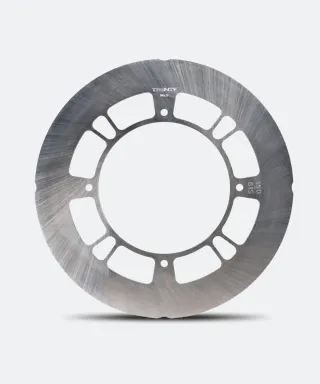
BRAKING Wave Front Brake Disc
- super price
From
$13.99
Originally: $42.99
Twenty Solid Mk2 Brake Disc Rear

$147.99
Originally: $184.99
Moto-Master Supermoto Street Flame Front Brake Disc

From
$56.99
Originally: $136.99
Braking Brake Disc Rear Round

$239.99
Originally: $354.99
Braking Batfly S3 Oki Kit Front Brake Disc Ø260

$119.99
Originally: $176.99
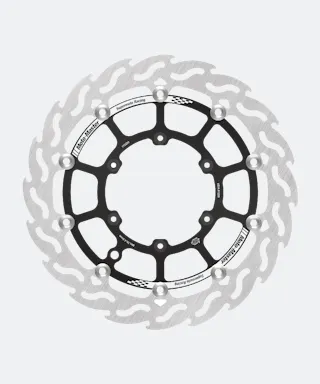
Braking Batfly Series Rear Brake Disc
From
$159.99
Originally: $221.99
Moto-Master Supermoto Mini Flame Front Brake Disc

From
$127.99
Originally: $189.99
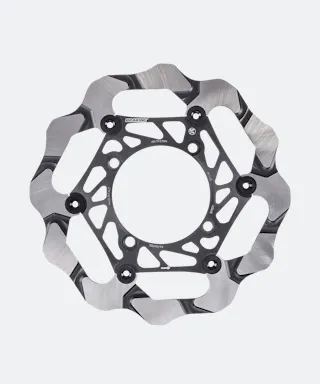
Braking Wave Semi-Floating Steel Front Brake Disc Ø260
$229.99
Originally: $344.99
Braking Batfly Al-Hub Front Brake Disc Ø270

- super price
$25.99
Originally: $34.99
Moto-Master Front Brake Nitro Disc- E-Bike

$198.99
Originally: $262.99
Braking Fly 270mm Oversized Kit

$92.99
Originally: $136.99
Braking Brake Disc Rear

$97.99
Originally: $129.99
Moto-Master Rear Brake Fixed Disc Kit Ø220

From
$127.99
Originally: $189.99
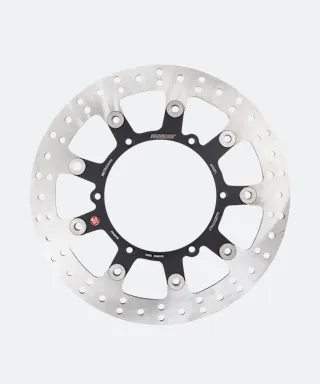
Braking Front Brake disc oversize 270mm
$124.99
Originally: $164.99
Braking Round Floating Steel Front Brake Disc Ø300

$134.99
Originally: $189.99
Braking Wave Steel Floating Front Brake Disc

From
$62.99
Originally: $136.99
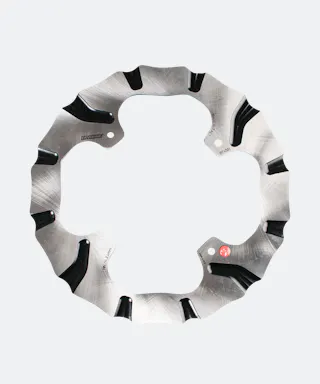
Braking Wave Fixed Rear Brake Disc
From
$111.99
Originally: $176.99
Braking Bat Fly Rear Brake Disc

$189.99
Originally: $287.99
Braking Batfly Semi 3-Pins Brake Disc Front Liquid

From
$239.99
Originally: $409.99
Braking Batfly Oki Kit Front Brake Disc 270 mm
$28.99
Originally: $42.99
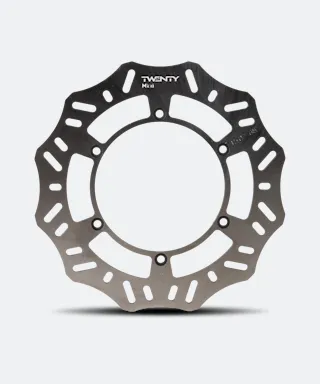
Twenty Wave Mk2 Brake Disc Rear

From
$82.99
Originally: $124.99
Braking Round Fixed Front Brake Disc
$189.99
Originally: $287.99
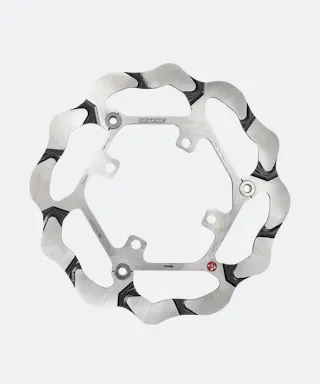
Braking Batfly Semi-Floating Brake Disc Front 3 Pins

From
$60.99
Originally: $136.99
Braking Wave Fixed Front Brake Disc
- super price
From
$33.99
Originally: $89.99
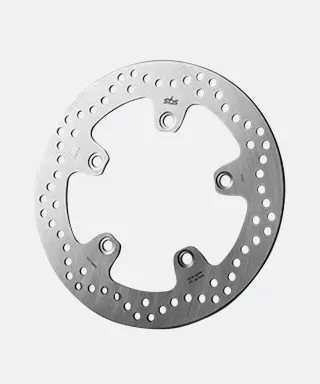
SBS Standard Rear Brake Disc

$198.99
Originally: $262.99
Braking Wave Oversize Kit 270mm Brake Disc

- super price
From
$152.99
Originally: $344.99
Braking Barfly EPTA Al-Hub Front Brake Disc Ø270

From
$172.95
Originally: $344.99
Braking Bat Fly Oversized Front Brake Disc 270mm

From
$242.99
Originally: $409.99
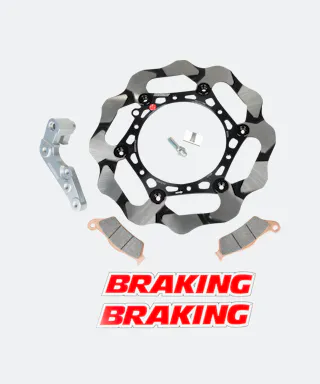
Braking Batfly Oki Kit Front Brake Disc
$274.99
Originally: $409.99
Braking Bat Fly 270mm Kit Brake discs

From
$104.99
Originally: $152.99
GOLDFREN Rear Brake Disc

$229.99
Originally: $344.99
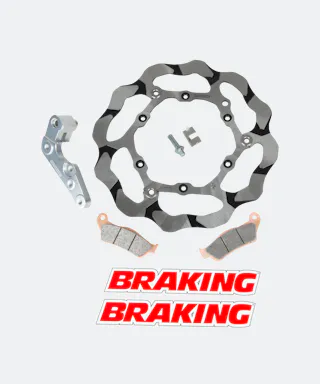
Braking Batfly Al-Hub Front Brake Disc Ø270
$239.99
Originally: $354.99
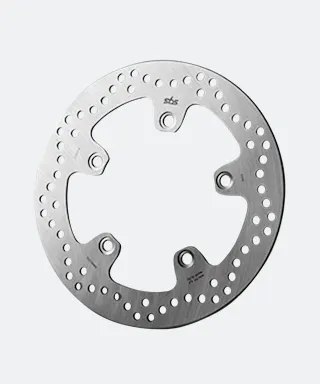
Braking S3 Batfly Oversize Kit 270mm Brake Disc Front
- super price
From
$32.99
Originally: $219.99
SBS Standard Front Brake Disc

$213.99
Originally: $344.99
Braking Batfly EPTA Al-Hub Front Brake Disc Ø280
Frequently asked questions
Everything you need to know about Brake Discs
There are two main reasons to change your brake disc, replacement and upgrade. First, over time discs get thinner, and when they exceed the manufacturer's wear tolerance, it's time to look for a replacement. Second, disc rotors can warp from the high temperatures generated by heavy braking.
Replacement discs are therefore the exact specifications as Original Equipment Manufacturer (OEM) parts. Regardless of whether or not a disc rotor is worn though, you can upgrade at any time. Better yet, doing this is an excellent way of increasing your brake’s stopping power and your bike’s overall performance.
A higher-performance brake disc also has several benefits that go beyond stopping power alone. These discs are a lot lighter, which saves on unsprung weight. What’s more, their intricate patterns dissipate heat and dirt faster.
While the weight saving on an upgrade disc may not be apparent, your bike’s suspension will thank you as it will react faster on compression and rebound. You will also be able to slow with a mere two fingers rather than a handful of levers, which will give you better control over your motorcycle.
Last and of particular importance to competitive MX riders is the ability to brake later. This tactic means you arrive at a turn first and choose the best line while everyone else chews on your rooster.
The Differences between Front and Rear Discs
Front and rear discs are the same in terms of materials and patterns, whether varying grades of hardened steel or aircraft-grade aluminium combinations. The rear rotor also tends to be a little bit smaller while the front disc wears out faster.
You may also notice that some disc rotors have different inner and outer rings. This difference is similar to combination sprockets meaning the outer ring is hardened steel for longevity. Meanwhile, the inner ring is often high-grade aluminium for lightness.
Another thing to bear in mind when changing a brake rotor is to use new securing bolts. It is also advisable not to use the previous brake pads, as they may not have an even wear surface.
When searching 24MX for a front or back rotor, you may also notice terms like fixed, floating, or oversized.
The first two terms refer to the type of caliper used; a fixed disc has its caliper solidly mounted to the fork leg and has pistons on both sides of the disc. Alternatively, a floating disc has a caliper with pistons on one side of the caliper only. Its design allows the brake pad to stay in contact with the disc more consistently.
An oversized disc is a rotor that is larger than its OEM replacement. The benefit of an oversized disc is the noticeable increase in braking performance. Be aware, however, that an adaptor plate is needed to give extra clearance to the stock caliper.