Back Protectors

From
$41.99
Originally: $76.99
Raven Phalanx Level 2 Back Protector

$35.99
Originally: $47.99
Raven Pagnus Flex Level 2 Back Protector

$111.99
Originally: $152.99
Alpinestars Nucleon KR-1 Back Protection Smoke-Black-Red

$35.99
Originally: $39.99
Furygan D3O EVO Level 2 Back Protector

From
$29.99
Originally: $39.99
iXS Back Protector CCS Level 2

$141.99
Originally: $149.99
Alpinestars Nucleon KR-2 Back Armour - Black-Smoke-Red

$42.99
Originally: $44.99
Ixon FANOM Back Protector Khaki

$141.95
Originally: $149.99
Alpinestars Nucleon KR-2 Back Protector Black-White

$107.99
Originally: $119.99
Rev'It! Slingshot Back Protector Black

$75.99
Originally: $76.99
Zandonà x8 Kid’s Back Protection

$75.99
Originally: $76.99
Zandonà x7 Kids Back Protector (121-135 cm)
From
$36.99
Originally: $47.99
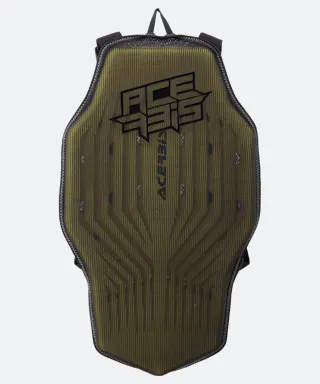
Acerbis Blazar Back Protector Black-Yellow
$100.95
Originally: $116.99
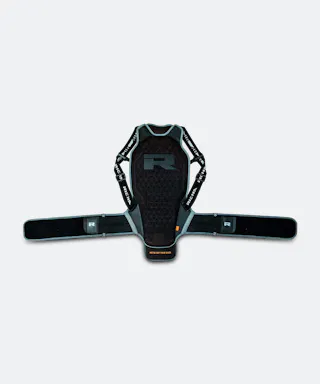
Richa D3O Backshield Back Protector Adult Black

From
$81.95
Originally: $94.99
Leatt 2.5 FlexMesh Back Protector V26

$73.99
Originally: $76.99
Zandonà Spine x6 Kid’s Back Protector

$167.95
Originally: $176.99
Alpinestars Nucleon KR-1 Celli Back Protector Transparent-Red-Black

From
$86.99
Originally: $149.00
Leatt 3DF AirFit Evo Back Protector
$105.95
Originally: $122.99
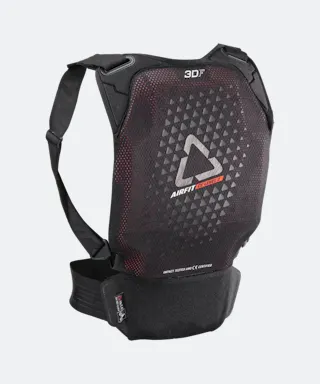
Leatt 3DF Airfit Evo Back Protector V26

- super price
From
$74.99
Originally: $129.00
Leatt ReaFlex Stealth MX Back Protector Black

$208.99
Originally: $219.99
Alpinestars Nucleon KR-3 Back Protector Smoke-Black-Red

$249.99
REV'IT! Spina Back Protector

From
$130.95
Originally: $164.99
Zandonà Hybrid Pro x6 Back Protector Pink
$249.99
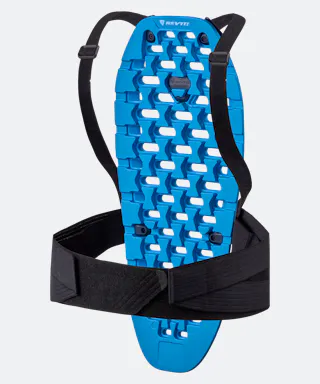
REV'IT! Spina Back Protector

$170.99
Originally: $189.99
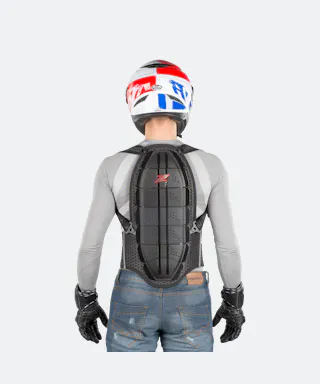
Rev'It! Back Protector SEE
From
$85.99
Originally: $109.99
Zandonà Shield Evo x7 Back Protector Black

From
$116.99
Originally: $161.99
Zandonà Hybrid Pro x8 Back Protector Black

From
$80.99
Originally: $99.99
Zandonà Shield Evo x8 Back Protection Black

$106.99
Originally: $124.99
Zandonà Netcube Pro x8 Back Protection Black

From
$137.99
Originally: $161.99
Zandonà Hybrid Pro x3 Back Protector Black

From
$89.99
Originally: $124.99
Zandonà Netcube Pro x7 Back Protection Black
$127.99
Originally: $144.99
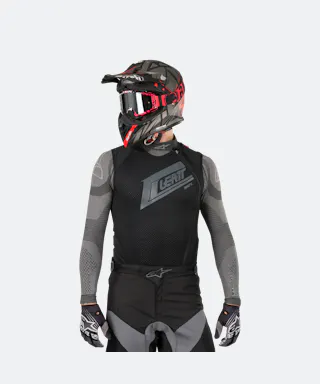
Leatt 3DF Back Protection Black

$134.99
Originally: $161.99
Zandonà Hybrid Back Pro x7 Back Protector White

From
$128.99
Originally: $161.99
Zandonà Hybrid Pro x8 Back Protector Red

$94.99
Originally: $124.99
Zandonà Netcube Pro x6 Back Protection Black

- Out Of Stock
$36.99
Originally: $37.99
Bowtex Sas-Tec Tripleflex Full CE Level 1 Back Protector

- Out Of Stock
$32.99
Originally: $34.99
Bowtex Sas-Tec Tripleflex CE Level 1 Back Protector

- Out Of Stock
$159.99
Originally: $161.99
Zandonà Hybrid Pro x6 Back Protection Green

- Out Of Stock
$131.99
Originally: $134.99
Zandona Pro Shell X6 Back Protector Black

- Out Of Stock
$94.99
Zandonà Hybrid Pro x3 Back Protector Black
- Out Of Stock
$146.99
Originally: $161.99
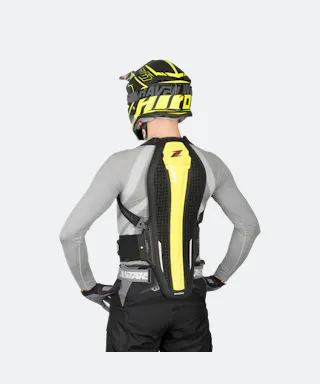
Zandonà Hybrid Pro x8 Back Protector Fluo Yellow
FAQ's
When it comes to Personal Protection 24MX has got your Back
All the bones in the human body are essential. Yet the multiple small bones in the back that stretch from the skull base to the coccyx are vital. These are the body’s central support mechanism and act as armour plating for the spinal cord. It stands to reason that you would want to safeguard this area of your body. So when it comes to protection, it’s good to know that 24MX has got your back.
How does a Motocross Back Protector Work?
Motocross back protectors work in two ways: friction resistance and impact protection. Not all motocross courses are muddy. Some parts of the track can get compacted and when you throw in a sprinkling of gravel or stones, you have an abrasive surface. A motocross back protector can quite literally save your skin. What’s more, they are even more critical when it comes to impact resistance. The specifics of how they do this differ from brand to brand. Back protectors provide a shock-absorbent shield. This shield soaks up and dissipates the energy of a collision before it can damage the spine. Some manufacturers provide this level of safety by offering one piece body contour shaped protectors. Meanwhile, others use smaller inserts arranged in an articulated design that mimics the spinal column.
Materials
Once again, construction and materials differ from brand to brand. Basic and less expensive protectors will feature a hard abrasion-resistant outer shell with shock-absorbent foam beneath. While more costly motocross back protectors may offer highly absorbent foam or gel pads. There may also feature a ballistic nylon washable cover. Either way, the back protector needs to incorporate a ventilation system. Airflow is crucial, as this part of the body is subject to a lot of heat under physically stressful conditions.
Correct Fit
The importance of making sure your motocross back protector fits correctly cannot be overstressed. To be effective, the protector must be the correct length. If it is too short, it will not cover the spine completely. Too long, when sitting, the base will make contact with the seat and push the protector up into the helmet. A correct fit is also essential to ensure the back protector is comfortable and allows for a full range of movement. Most back protectors provide an element of adjustment which increases for more expensive ticket price items. You will often find a shoulder strap and waist belt at a basic level. Multiple retention points and straps ensure that the protector stays in place on higher-spec models. To get your correct size check the individual manufacturer for size advice. Sizing can differ widely, with some models needing only the waist measurement. On top-spec models, sizing can relate to height and waist, plus a waist to shoulder measurement.
Racing Regulations
As of 2021, the Fédération Internationale de Motocyclisme (FIM), the governing body for global motorcycle racing, says that all motocross competitors must wear back protectors. The rules state that ‘’all riders must wear unmodified commercially available back protection at all times whilst on the track.’’ This ruling doesn’t apply to leisure riders, but motocross back protectors do such an important job, it’s advisable to wear one regardless.
Safety Markings
In Europe, motocross back protectors fall under the classification of personal protection equipment and must comply with certain levels of protection. These levels are CE Level 1 and CE Level 2. You may also see the coding EN1621-2, so here is a breakdown of what it all means.
EN1621: This part of the code means the armour’s rating is for motorcycle use. If you see -2 after the previous code, it means that it has a specific back armour rating.
CE Level 1: Here, back armour is tested for a maximum transmittable force of 18kN but not exceeding 24kN.
CE Level 2: This rating includes the same testing as Level 1. Yet, the transmitted force lower range is 9kN and cannot exceed 12kN. The lesser-transmitted force of Level 2 means it is safer than a Level 1 back protector because it lets less of the shock wave through to the rider.