Find the right part for your vehicle
Add your vehicle and shop with confidence
Brake Pads

$4.99
Originally: $19.99
Twenty Sintered Race Long Life Brake Pads Front

- Out Of Stock
$13.85
Originally: $16.99
Twenty Rear Brake Pads

- Out Of Stock
$44.99
Originally: $52.99
Nissin Sintered Metal Rear Brake Pads

- Out Of Stock
$9.99
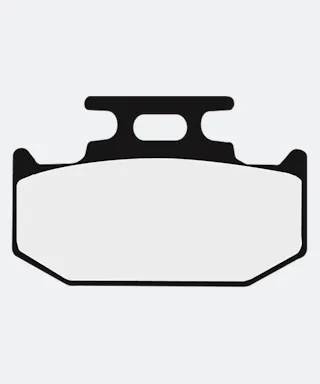
Moto-Master Sinter Brakepad E-Bike
- Out Of Stock
$76.99
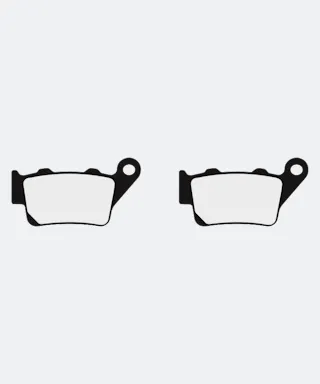
Nissin Semi-Metallic Rear Brake Pads
- Out Of Stock
$44.99
Originally: $79.99
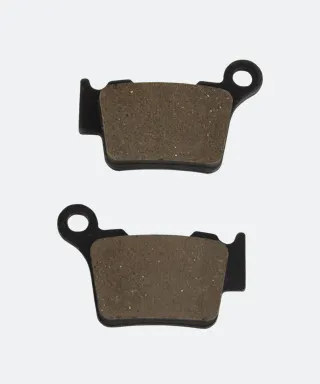
Nissin Sintered Metal Front Brake Pads
- Out Of Stock
$7.75
Originally: $19.99
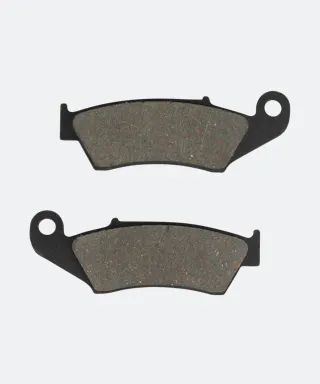
Twenty Sintered Race Long Life Brake Pads Rear
- Out Of Stock
$7.99
Originally: $25.99
Twenty Semi Sintered Metal Brake Pads
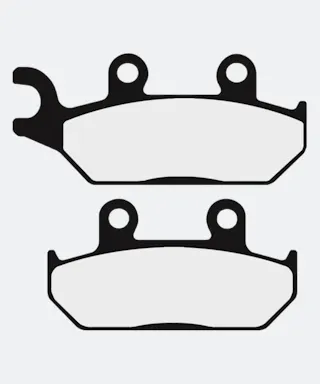
- Out Of Stock
$27.99
Originally: $32.99
Nissin Semi-Metallic Front Brake Pads
Frequently asked questions
How to Choose the Correct Brake Pads
The first disc brake design appeared in England in the 1890s and the basic principles remain the same to this day. A rotor attaches to the wheel and a caliper fixes to the fork leg. Sitting between the disc and caliper are friction pads. Hydraulic fluid closes the caliper's pistons and this action forces the brake pads to squeeze together, slowing the rotating disc's progress.
Modern MX motorcycles feature a single disc brake front and back. When browsing the 24MX brake pad pages, you may notice long and short pads. The caliper dictates the size and shape of the pads regardless of whether for a front or rear brake.
Compounds Explained
The most significant difference between motorcycle brake pads is the variation of their composition. So here, we'll take an in-depth look at the various brake pad compounds.
The friction material on motorcycle brake pads is heated and pressed onto the metal backing plate. By mixing different materials, brake pads can offer varying performance and feel.
Organic Compound: The material in organic pads comprises of particles of rubber, fiberglass, Kevlar, carbon and glass, all combined with resin. The result is an everyday brake pad that offers average performance and lifespan. Also, it is known not to squeal under heavy braking.
An organic brake pad will offer good initial braking. These pads are prone to fading, though, as they cannot dissipate heat quickly. The brake lever or pedal feel will be soft. These pads are not great in wet or muddy conditions and more common for street applications.
Sintered Compound: These brake pads contain a high degree of metallic particles such as copper in their composition. The metal content means the pad is slower to reach working temperature. It can however handle high temperatures well and won't fade under heavy sustained braking.
Sintered pads aren't adversely affected by wet or muddy conditions and braking will remain strong and consistent. Under heavy braking, they can emit more heat and noise than organic pads but this is not a big deal to a motocross rider. Lever feel is solid, so if you wait until the last minute to grab a handful of brake, these pads are a good choice.
Semi-Sintered: The pads are similar in composition to sintered pads. Yet, they offer smaller quantities of metal to give smoother, less hard-core braking.
Ceramic Compound: Ceramics are the base materials used in pottery. When combined with copper fibers and resin, ceramic brake pads offer low dust and noise under heavy braking. They also provide good braking performance and dissipate heat well, which means they are comparatively fade-free.
Ceramic motorcycle brake pads will last longer than sintered, semi-sintered and organic pads. They provide good feedback and feel on the lever. If you brake early and prefer predictable and progressive braking, ceramic pads are a great option.
Inspection and Replacement
The frequency of brake pad replacement depends on the style and frequency of riding. One constant, however, is that motocross riders wear out back brake pads faster than front pads. Regular inspection of brake pads is always advisable.
When the friction material reduces to around a 2-mm thickness, it's time to replace the pads. Failure to do this before they wear down to the metal backing plates will result in a severe loss of performance. Worse still, it can damage the brake disc.
Brake pads are motorcycle specific, so use the 24MX make, model and year drop-down menu. About which brand is best, this is at the discretion of the rider, who often finds a favorite through trial and error or recommendation from other riders.