22 Apr 2025 • 5m read
Motorcycle Clutches: All You Need to Know

Discover all you need to know about motorcycle clutches in this ultimate guide, including types, usage, adjustments, and maintenance tips for a smoother ride.


What is a clutch on a motorcycle?
A motorcycle clutch connects and disconnects the engine from the transmission. The clutch controls the power delivery in a motorcycle, connecting the rear wheel to the engine and transmission. A motorcycle clutch is essential for gear changes and smooth, efficient riding. When a motorcycle clutch is engaged, it transfers power from the engine to the transmission and then to the rear wheel. A motorcycle clutch is engaged when the rider has released the clutch lever on the handlebars. When a motorcycle clutch is disengaged, the clutch lever is pulled in by the rider. This separates the clutch plates and breaks the flow of power, allowing for the changing of gears or stopping the bike without stalling.
Wet Clutch vs Dry Clutch
A wet clutch is lubricated by oil, which cools the clutch plates. A dry clutch is exposed to air and does not have oil to cool or lubricate the clutch plates. Wet clutches are the preferred choice for everyday use, due to typically lasting longer with less wear and tear. Dry clutches are more suited to competitive riding. The lack of oil means dry clutches offer a much faster transfer of power.
What is a wet clutch on a motorcycle?
A wet clutch is a type of clutch found on a motorcycle. Wet clutches operate in a bath of oil, which lubricates and cools the components of the clutch. The clutch plates are likely to last longer when found in a wet clutch due to the oil reducing wear and increasing a smoother gear change. Wet clutches are found in most modern motorcycles due to their reliability and user-friendliness.
What is a dry clutch on a motorcycle?
A dry clutch operates in a similar way to a wet clutch, but without being in a bath of oil. The clutch plates are exposed to air and the lack of oil eliminates ‘oil drag’, which could be felt when using a wet clutch due to the slower engagement rate. A dry clutch has faster, more direct power transfer and is often favoured in high-performance motorcycles. Dry clutches are easier to maintain as they don’t require oil changes. They are lighter in weight and the preferred choice for performance motorcycles, but wear out faster than wet clutches.
What is a slipper clutch on a motorcycle?
A slipper clutch is designed to reduce the effects of engine braking and aggressive downshifting. It’s also commonly known as a back-torque limited clutch and prevents the rear wheel from locking, hopping or unsettling the motorcycle when the rider is shifting to lower gears. A slipper clutch operates similarly to a regular wet or dry clutch. The differences come when the rider is downshifting. If you downshift rapidly, the rear wheel is at risk of spinning faster than the engine can rev – this is known as back-torque. A slipper clutch temporarily disengages the clutch plates to allow for a controlled slip. This reduces the forces transmitted to the rear wheel and makes the motorcycle more stable under deceleration. Riders do not need to ‘rev match’ when downshifting if their motorcycle has a slipper clutch.
Where is the clutch on a motorcycle?
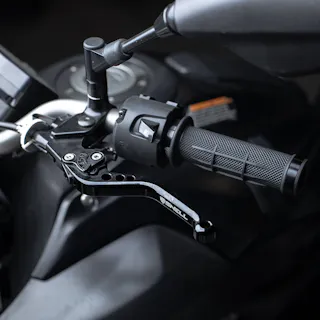
The clutch is a lever that can be found on the left handlebar of most motorcycles. It’s operated by pulling it towards the handlebar with your hand. By pulling in the lever, you are disengaging the clutch to allow for a gear change or to stop the motorcycle without stalling. Releasing the clutch lever engages the clutch and connects the engine to the transmission, which delivers power to the rear wheel. The clutch itself is found within the engine/transmission housing on the side of the motorcycle.
How does a motorcycle clutch work?
The clutch on a motorcycle is responsible for connecting and disconnecting the engine from the transmission. This allows the motorcycle rider to control how and when power is transferred to the rear wheel. A clutch is made up of four main components:


When the clutch lever is released, the clutch is engaged and the plates are pressed together by the springs. This allows power to be transferred from the engine to the transmission which in turn turns the rear wheel. When the clutch is pulled in, the clutch is disengaged and the plates are separated, disconnecting the engine from the transmission and stopping power being sent to the rear wheel. To start a motorcycle from a stationary position, turn on the engine with the clutch disengaged. Select first gear with your left foot and slowly release the clutch with your left hand while applying the throttle with your right hand.
How long does a motorcycle clutch last?
A motorcycle clutch can have a lifespan varying from 20,000 to 60,000 miles, depending on how it’s maintained and how it’s used. If you have a wet clutch, the bath of oil is subject to contamination, so regular oil changes can extend the life of the motorcycle clutch. Wet clutches are also likely to last longer than dry clutches due to the cooling and lubrication of the oil.
The riding style of the owner is a major factor in the life of a motorcycle clutch. Riders who are more gentle may see a longer life on their motorcycle clutch. This would involve smooth gear changing and no excessive revving. If a motorcycle rider is more aggressive with their clutch, such as performing engine braking, can wear out the clutch components faster.
City riding, where there are more stop/start situations, is more likely to wear out your motorcycle clutch. Motorcycle riders who spend more time on motorways or in a single gear may see their clutch last longer.
You will know when it’s time to replace your motorcycle clutch when you begin to feel your clutch ‘slip’, which means the engine revs will increase but the bike won’t accelerate as expected. The clutch lever getting stiff is another indicator, usually paired with an unusual grinding noise. Keep an eye on whether it’s getting harder to change gears as this is usually the first warning signal that your clutch needs replacing. A worn-out clutch will also smell like burning, which is a straightforward indicator of needing a replacement.
How to use a motorcycle clutch
There are three main elements to using a motorcycle clutch:
Clutch lever (a lever found on the left handlebar)
Gear shifter (found on the left footpeg)
Throttle (operated by twisting the right handlebar)

To turn on the motorcycle: Turn on the motorcycle from either the switch or the kick-start and pull in the clutch lever to disengage the clutch. Hold the clutch lever and select first gear by pressing down the gear shifter with your left foot on the left footpeg.

To begin moving: slowly release the clutch while simultaneously twisting the right handlebar to apply a small amount of throttle. Balance both until the clutch is fully released and continue to add speed with the throttle on the right handlebar.

To change gears: Pull in the clutch lever with your left hand and release the throttle with your right hand. With your left foot, lift the gear shifter to select the next gear. Once this is selected, slowly release the clutch with your left hand and begin to add throttle with your right hand.

To stop the motorcycle: As you are slowing down, pull in the clutch lever with your left hand and use the gear shifter with your left foot to move into neutral gear, which is found between first and second gear. Once you are in neutral, you can release the clutch and turn off the motorcycle if necessary.
How to replace motorcycle clutch
Replacing a motorcycle clutch is quite a technical process and may need professional assistance. For those trying to replace a motorcycle clutch for themselves, here is a summary of the process and the required equipment:
Equipment


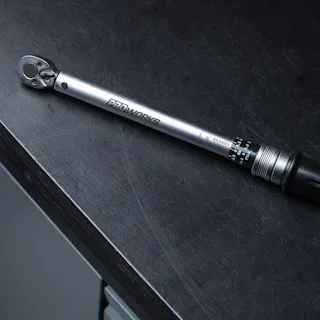


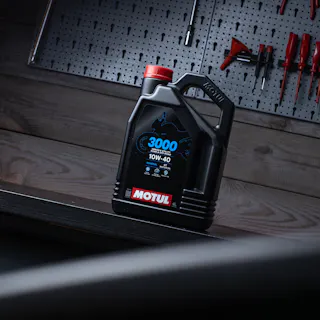
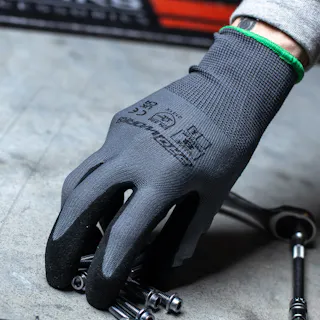


Prepare the motorcycle. If your motorcycle has a wet clutch, drain the oil by removing the oil drain plug until it runs dry.

Remove the clutch cover. Unscrew the bolts on the side of the engine and remove the cover. Replace the gasket if needed and access the clutch.

Remove the old clutch components: Inspect the plates and springs. Unscrew the bolts holding the clutch springs and then remove the clutch plates.

Install the new clutch components. A wet clutch must be soaked in fresh motorcycle oil for 30 minutes before installation. Insert the new plates and secure them with new springs (or the old springs if there are no signs of wear). Replace the gasket with a new one (if required).

Refill engine oil (wet clutch only): Follow the instructions of your model of motorcycle and add fresh oil, checking for oil leaks as you go.

Test the clutch: Pump the clutch lever on the left handlebar before turning on the motorcycle and testing it with the engine running. Once you are satisfied with the installation of the new clutch components, you can start the motorcycle and attempt to select a gear.
How to adjust a motorcycle clutch cable
It’s important to adjust your motorcycle clutch cable to ensure the clutch successfully engages and disengages. It’s worth adjusting your motorcycle clutch cable when you have:
Difficulty shifting hears
A clutch lever that’s too tight or too loose
A clutch that slips or doesn’t engage gears fully
Using a wrench is the simplest way to adjust a clutch cable. The clutch lever adjuster is found near the clutch lever on the left handlebar. It looks like a threaded adjuster with a locking nut. The cable adjuster is found near the clutch actuator. Check the free play in the clutch lever. If there’s more than 3mm of play, it’s recommended that you adjust the clutch cable. At the handlebar, loosen the lock nut and turn the adjuster barrel – clockwise to loosen and anticlockwise to tighten. Test the clutch lever for excessive play. Don’t overtighten where possible and lubricate the cable.
How to learn clutch control on a motorcycle
Clutch control is critical for smooth and safe motorcycle riding. A rider with confidence in their clutch control can be much safer on the roads at low and high speeds.
Clutch control is when the rider regulates power transfer from the engine to the rear wheel. It involves finding the ‘biting point’ or ‘friction zone’ where the clutch begins to engage and the bike begins to have power sent to the rear wheel.
It’s best to practise clutch control in a quiet area on a flat surface. Make sure you are wearing protective motorcycle riding clothing, such as a helmet, leathers, gloves and riding boots. Turn on the motorcycle and practice disengaging the clutch (pulling the clutch lever towards the left handlebar).
While holding the clutch lever towards the handlebar, use your left foot to press down on the gear shifter and select first gear. Slowly release the clutch with your left hand until you feel the ‘friction zone’ where the bike begins to roll forward. If the bike begins to jump or become unbalanced, disengage the clutch by pulling the clutch lever back towards the handlebar. Repeat this until you feel comfortable with finding the friction zone. Releasing the clutch too quickly can cause the bike to stall or jump forward. Releasing the clutch too slowly can put excessive wear on the clutch components and could cause a burning smell.
How to adjust motorcycle clutch lever position
You can adjust the clutch lever position on your motorcycle to be more comfortable and accessible. It’s important that you find a comfortable clutch lever position for safe riding.
You’ll need:


To adjust the reach of the clutch lever (the distance from the handlebar), look for a small dial at the base of the clutch lever. Turning this will move the clutch to a more comfortable position. To adjust the angle of the clutch lever (the height of the clutch) use a wrench/Allen key to loosen the clutch lever clamp bolts, which are attached to the handlebar. Move the clutch lever into the desired position and then re-tighten the bolts. An ideal height for a clutch lever is to align it with your hand’s natural resting position on the handlebar. Your wrist should stay straight when reaching for the clutch lever.
How to shift gears on a motorcycle with a clutch
A motorcycle clutch is responsible for safe gear changes when riding. The rider must be coordinated in the steps required to use a clutch to change gears on a motorcycle. The clutch lever is located on the left side of the handlebar and can be pulled towards and away from the handlebar to engage/disengage the clutch. The gear shifter is located on the left footpeg of the motorcycle and it is pressed/lifted to change gears. First gear requires the rider to press down with their left foot, and then higher gears are selected by lifting the gear shifter with their left foot. Neutral gear is found between first and second gear by pressing down on the gear shifter. All of these gear shifter actions require the clutch lever to be pulled in (engaged) on the handlebar. Most motorcycles have a 1-N-2-3-4-5-6 pattern and you will feel a click when the gear engages.
How to change the clutch lever on a motorcycle
You will need:
Wrenches/socket set
Screwdrivers
Replacement clutch lever
Make sure the motorcycle is turned off. Loosen the clutch cable using the barrel at the base of the lever. Remove the pivot bolt with a wrench or socket and detach the clutch lever. Unhook the clutch cable from the lever.
Hook the new clutch into the slot and ensure the cable is fitted securely. Slife the new lever into the mount on the handlebar and secure the pivot bolt. Be careful not to overtighten the bolt. Turn on your motorcycle and test the new clutch lever. Check for any excessive play by operating the clutch with your left hand. Do this by pulling it towards the handlebar and then releasing it.
How to bleed a motorcycle clutch
Bleeding a motorcycle clutch is essential for maintaining the performance of the clutch. It ensures there is sufficient hydraulic pressure for the clutch to operate effectively. Air bubbles in the hydraulic system can cause a spongy or ineffective clutch, which can be dangerous to ride with.
You will need:
Wrenches
Clear tubing
Catch container
DOT brake/clutch fluid
Locate the clutch master cylinder, which is typically on the left handlebar and locate the bleed valve, which is near the clutch assembly Check the clutch fluid level. Open the master cylinder reservoir and top up with the correct DOT fluid
Locate the bleeder valve (near the slave cylinder) and attach the clear tubing, with the other end running into the catch container. The clear tube allows you to monitor for bubbles in the fluid
Pump the clutch lever 5-10 times to build pressure and hold it in. Open the bleed valve and fluid/air bubbles will flow into the tubing. Tighten the bleed valve before releasing the clutch. Repeat this until the reservoir is full
Check for air bubbles and top off the reservoir before reinstalling the cap. Test the clutch for effective operation and inspect for leaks of oil and fluids
There you have it. Everything you could possibly need to know about motorcycle clutches, all in one place. From assistance with maintaining a healthy clutch to information about their operation and replacement, this guide has it all.


