Find the right part for your vehicle
Add your vehicle and shop with confidence
Motorcycle Brakes
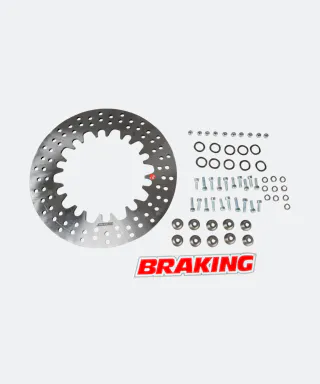
$134.99
Originally: $179.99
Braking Front Brake Disc - Round

$39.99
Originally: $52.99
SBS Racing Sintered Front Brake Pads

From
$11.99
Originally: $42.99
SBS Brake Pads Front and Rear Copper

- super price
From
$19.99
Originally: $76.99
SBS Street Sinter Brake Pads Front

- super price
$211.99
Originally: $264.99
NG BRAKES Wave Floating Front Brake disc

$24.99
Originally: $34.99
Accossato Brake Fluid Reservoir

$25.99
Originally: $32.99
Blackbird Brake Disc Cover

$25.99
Originally: $47.99
SBS Brake Shoe

From
$35.99
Originally: $64.99
Tourmax: Front Brake Fluid Reservoir

- super price
$71.99
Originally: $89.99
NG BRAKES Round Fixed Rear Brake disc

- super price
$10.99
Originally: $56.99
Core Moto Rear Brake Line

- super price
$14.99
Originally: $65.99
Core Moto Front Brake Line

$22.99
Originally: $35.99
CNC Racing Lock Bleeder

$42.99
Originally: $47.99
SBS Street Sintered Rear Brake Pads

- super price
$14.99
Originally: $65.99
Core Moto Front Brake Line

- super price
$14.99
Originally: $34.99
Front Brake Cylinder Repair Kit
- super price
$16.99
Originally: $56.99
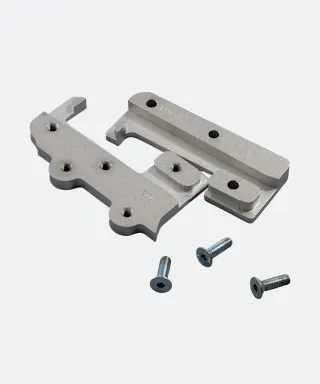
Twenty DTC by Crosspro Brake Disc Guard Mounting Set

- super price
From
$4.99
Originally: $42.99
SBS 536SI Offroad Sinter Brake Pads Front/Rear

- super price
$10.99
Originally: $56.99
Core Moto Rear Brake Line

From
$49.99
Originally: $122.99
Brembo Carbon-Ceramic Racing Front Brake Pads
$17.99
Originally: $22.99
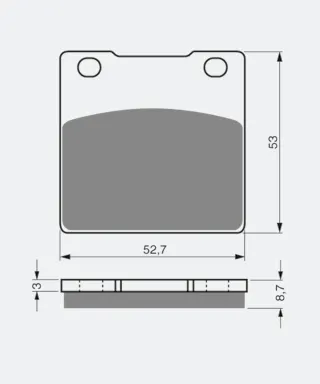
Goldfren S3 Racing Front Brake Pads
$34.99
Originally: $65.99
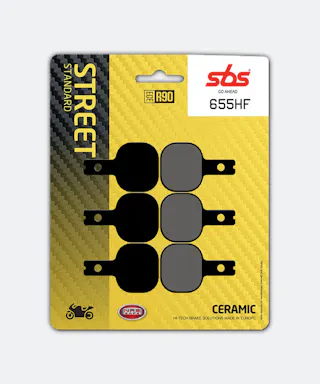
SBS 655HF Street Standard Brake Pads 6-pcs

- super price
From
$34.99
Originally: $221.99
SBS Standard Front Right Brake Disc
- super price
From
$279.99
Originally: $524.99
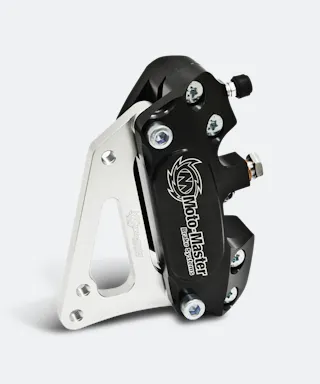
Moto-Master Supermoto Racing 4-Piston Caliper

$94.99
Originally: $111.99
Moto-Master Flame Fixed Front Brake Disc

- super price
From
$31.99
Originally: $71.99
EBC Pro-Lite Ventilated Rear Brake Disc

- super price
From
$8.99
Originally: $72.99
Brembo Carbon-Ceramic Brake Pads Front

From
$24.99
Originally: $39.99
Moto-Master Nitro Scooter Front Brake Disc

- super price
From
$17.99
Originally: $244.99
SBS Standard Rear Brake Disc

From
$11.99
Originally: $16.99
TRW Scooter Rear Brake Pads

$31.99
Originally: $39.99
Moto-Master Nitro Rear Scooter Brake Disc

- super price
From
$112.99
Originally: $229.99
EBC Pro-Lite X Round Front Brake Disc

$31.99
Originally: $36.99
EBC Sintered R Front Brake Pads

- super price
From
$23.99
Originally: $55.99
Speed Brakes Vario Universal Brake Line

$11.99
Originally: $12.99
SBS Front Brake Pin

From
$49.99
Originally: $94.99
Brembo Sintered Front Brake Pads
$16.99
Originally: $19.99
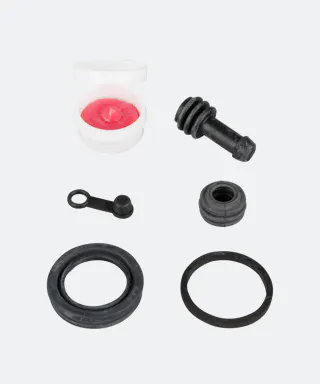
Tourmax Front Gasket Kit Caliper

$114.99
AIR Racing Banjo bolt

- super price
From
$18.99
Originally: $25.99
TRW Scooter Sintered SR Rear Brake Pads

$15.99
Originally: $19.99
Highsider Uni Brake Reservoir Cover 42 Mm
FAQ's
Give Yourself a Brake - All You Need to Know About Brake Systems
The idea behind a hydraulic brake system is straightforward. Pull the lever or press the pedal and fluid is sent under pressure from a reservoir to squeeze the brake pads against a rotating disc. Although this sounds simple, some riders are cautious about replacing brake parts due to their essential role in motorcycle safety.
Here, we will break down the various parts of the brake system, such as the pads, discs, reservoirs, levers and brake lines and shed light on the installation process.
If your motorcycle is out of its warranty period, replacing brake parts with Original Equipment Manufacturer (OEM) parts is unnecessary. The only important thing to remember is, replacement brake parts must be an exact fit. So, where applicable, use the XLMOTO drop-down menu to find your motorcycle's make, model and year.
Brake Pads
The main difference between motorcycle brake pads is the various materials used in the composition of the pad or compounds.
There are three basic variations of motorcycle brake pads and by combining different materials, manufacturers can offer varying degrees of performance and feel.
Organic Motorcycle Brake Pads: The material in organic pads consists of particles of rubber, fiberglass, Kevlar, carbon and glass, all combined with resin. The result is an everyday brake pad that offers average performance and lifespan and resists squealing under heavy braking.
Organic brake pads offer good initial braking but this can fade, as they do not dissipate heat quickly. As a result, the brake feel will be soft and the pads are not good in wet conditions.
Sintered Motorcycle Brake Pads: Sintered brake pads contain a high proportion of metallic particles like copper in their composition. The metal content means the brake pad can handle high temperatures and won't fade under heavy sustained braking.
Sintered pads work well in wet conditions and braking will remain strong and consistent. Under heavy braking, they are less likely to fade than organic pads. Lever feel is firm.
Semi-Sintered Brake Pads: These brake pads are the same as sintered but with smaller quantities of metal. The result is smoother, reliable braking with excellent durability.
Ceramic Motorcycle Brake Pads: When mixed with copper fibers and resin, ceramic materials create ceramic brake pads that provide low dust and noise under heavy braking. Ceramic brake pads offer very good braking performance and dissipate heat well to be comparatively fade-free.
Ceramic motorcycle brake pads will last longer than sintered, semi-sintered and organic pads. They also give good lever feedback and are kinder to the brake disc.
Ease of Brake Pad Replacement
The ease of changing your brake pads depends entirely on your type of caliper. Most times, to change your motorcycle brake pads you will need to remove the calipers. For fixed calipers, if they do not come out easily from the back of the caliper, remove the mounting bolts. For floating calipers, remove the guide pins or caliper mounting bolts.
Always check with the owner's manual for the correct procedure and make sure the brakes work correctly before taking to the road.
Brake Discs
Like any other part of your motorcycle, disc brakes can wear over time. Discs can become grooved, warped or worn below recommended tolerances. Riders can also replace brake discs as a performance upgrade.
Motorcycle brake discs are model specific, so don't forget to use the make, model and year tool and keep in mind that front and rear discs are often different sizes. Replacement brake discs fall into two categories; direct OEM replacement and performance upgrade.
Some replacement discs offer better performance than their stock counterparts. So, by fitting the correct brake disc, you can often receive a real performance boost over the OEM part. You can also find disc brakes with symmetrical designs for better water and heat displacement around the outer edge. Significant weight reduction is also typical. Moreover, oversized discs can offer more than 30% braking improvement over the stock version.
Ease of Brake Disc Replacement
To replace your motorcycle's brake discs, you will need to remove the wheel. Disc-securing bolts are difficult to remove as they are often treated with some form of thread locking fluid. Therefore, always use new bolts, thread locking fluid and check the manufacturer's torque settings when replacing the disc.
Brake Lines
Stainless steel brake lines are a significant cost-effective upgrade to a braking system. They offer better performance and a lever/pedal feel. They are available in a variety of colours so are also a cosmetic upgrade. Brake lines generally come as a kit for your specific motorcycle, or are made to order, in which case check on the manufacturer's sizing policy.
Repair Kits
Like every part of your motorcycle, brake systems require routine maintenance, periodical overhaul or repair. XLMOTO offers a comprehensive range of repair and rebuild kits from leading manufacturers, to keep your motorcycle's brakes in A1 condition.
Ease of Brake Line Replacement
Fitting new brake lines is an easy job. However, you will have to re-fill them with fresh brake fluid and bleed the system to rid the brake line of air. You will need a brake nipple spanner and a bleed kit to do this.
As for repair or rebuild kit installation, the brake system will need to be empty of brake fluid and the system bled afterward. You won't need any special tools apart from circlip pliers.
Brake Levers
Changing a motorcycle's brake and clutch lever is a useful upgrade, especially if they are span adjustable. This feature lets you increase or decrease the pull length of the lever before it reaches the handlebars, which may be helpful for short fingers.
Ease of Lever Replacement
Brake and clutch lever replacement is an easy job to undertake and all that's needed is a basic tool kit. Some aftermarket brake and clutch levers require an adaptor kit, so always read the manufacturer's description.
Brake Fluid
Concerning re-filling the brake system, consult the owner's manual for the correct grade of brake fluid, as there are several different types. The most commonplace are DOT 3,4,5 and 5.1. If you are topping up your brake fluid, it is best to stick to the same grade. Be aware that DOT 3,4 and 5.1 brake fluids are all glycol-based and have different boiling points. Meanwhile, DOT 5 is silicone-based and will not mix with the others.
When topping up or replacing brake fluid, always cover your motorcycle, as glycol can cause damage to the paint. Manufacturers recommend changing the brake fluid every two years to ensure maximum performance.
Pricing: OEM vs. Aftermarket Parts
Aftermarket replacement brake system parts offer better value for money than OEM parts in most cases. This fact is not only based on price point. These items represent significant performance improvements in categories such as brake pads, discs and brake lines, making them even better value for money.