Find the right part for your vehicle
Add your vehicle and shop with confidence
Chains & Sprockets

- Out Of Stock
$38.99
Originally: $89.99
AFAM A415F Chain & Sprocket Set

- Out Of Stock
$215.99
Originally: $226.99
EK/JT Chain Kit 525ZVX3 Standard Rear Sprocket
- Out Of Stock
$42.99
Originally: $52.99
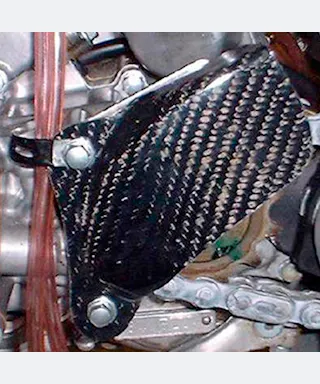
Pro-Carbon Front Chain Guard

- Out Of Stock
$44.99
Originally: $52.99
Hammerhead AxelBlocks

- Out Of Stock
$12.99
Originally: $24.99
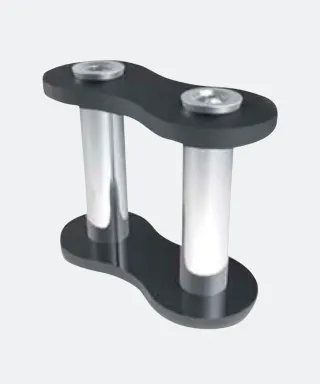
Twenty Oshiro 428 Heavy Duty Chain – Search by bike
- Out Of Stock
$2.99
CZ 520 Chain Lock

- Out Of Stock
$4.99
Twenty Oshiro Chain Link

- Out Of Stock
$4.99
ProTaper Pro Forged Racing Link Chain

- Out Of Stock
$41.99
Originally: $49.99
Renthal D182/D183 Replacement Fastener Kit

- Out Of Stock
$42.99
Originally: $47.99
Moto-Master 7075 Series Aluminum 420 Rear Sprocket Red

- Out Of Stock
$13.59
Originally: $27.99
Snell Rear Sprocket

- Out Of Stock
$42.99
Originally: $47.99
Moto-Master 7075 Series Aluminum 420 Rear Sprocket Blue
- Out Of Stock
$9.99
Originally: $34.99
Snell Rear Sprocket

- Out Of Stock
$59.99
Originally: $67.99
Moto-Master Fusion Series 420 Dual Ring Rear Sprocket Black

- Out Of Stock
$54.99
ProTaper 134L Chain

- Out Of Stock
$71.99
Originally: $99.99
CZ 525 X-Ring Chain

- Out Of Stock
$7.99
Chain splint link EK

- Out Of Stock
$3.59
Originally: $4.99
Snell Powerlink X-Ring Rivet Link

- Out Of Stock
$59.99
Originally: $67.99
Moto-Master Fusion Series 420 Dual Ring Rear Sprocket Orange
- Out Of Stock
$24.99
Originally: $42.99
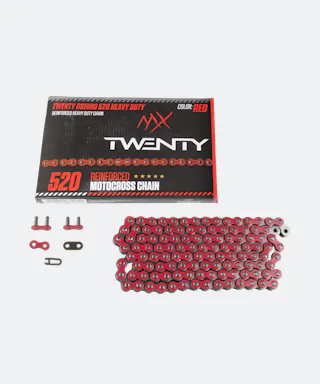
Twenty Oshiri 520 HD Chain Red – Search by bike

- Out Of Stock
$59.99
Originally: $67.99
Moto-Master Fusion Series 428 Dual Ring Rear Sprocket Red

- Out Of Stock
$149.99
ProTaper Pro Forged Racing 120L L Chain
- Out Of Stock
$114.99
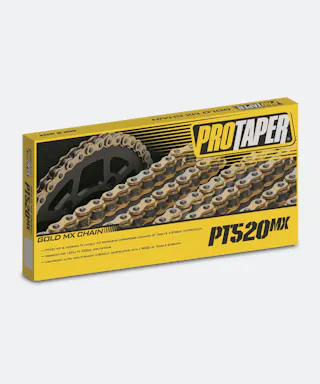
ProTaper 520MX1 Series Chain

- Out Of Stock
$84.99
Originally: $124.99
AFAM 520 XSR X-Ring
- Out Of Stock
$42.99
Originally: $47.99
Moto-Master 7075 Series Aluminum 428 Rear Sprocket Blue

- Out Of Stock
$41.99
Originally: $47.99
Moto-Master Ultralight 420 Steel Rear Sprocket
Frequently asked questions
Everything you need to know about Chains and Sprockets
The sport of motocross is all about instant power from big handfuls of throttle. Unfortunately, this action, not to mention mud, sand and rocks, put your chain and sprockets under incredible stress. New bikes arrive with an Original Equipment Manufacturer (OEM) final drive. These provide the best average performance for most scenarios. When they do wear out, you can replace them with components of the same specification. For the more skilled rider, tweaking the chain and sprockets can have a dramatic affect on the motorcycle’s performance. Before diving into this subject, though, let’s cover some chain and sprocket basics.
Chain basics: A chain consists of around 500 components and with heavy usage and aggressive conditions it will stretch over time. So while adjusters, often found at the back wheel spindle will take up the slack, how can you tell when it's time for a replacement?
With the chain on the bike (and the engine off and key removed from the ignition), pull the chain backward. Then check the gap between the chain and the teeth of the sprocket. Alternatively, try moving it from side to side on the bottom run of the chain. If there is excessive movement in either of these, it may mean you need a new chain.
Slack off on chain maintenance by not lubricating and tensioning correctly and you run the risk of the chain jumping off the sprocket or even snapping. This scenario is dangerous, as it can either lock the back wheel or damage the sprockets and engine casing.
Choosing a chain: As with every other type of consumable on your bike, chains are available in different grades to suit all budgets. The most basic type is the roller, non-sealed. You must maintain this type of chain regularly. What’s more, lubing is crucial. Next in line is the O-ring; this was a significant advancement in chain technology as it has an O-ring seal fitted inside the link plates. This seal keeps grease (applied at the factory) in and dirt out.
Other variations include X and Z-ring chains, which provide better contact surfaces, meaning more of the chain’s grease remains where it’s needed. These different profiles allow the chain to run more efficiently with less drag. Also, they last longer than 0-ring chains.
Sprocket wear: Once again, this is a case of visual examination. While broken or missing teeth are an obvious sign, look for wear on the outer edge of the teeth. This wear may appear as blunt edges to the outer extremes of the teeth or ‘hooking,’ which is when the edge of the tooth is slightly curved over.
Changing sprockets that aren’t worn:
Increasing the size of the rear sprocket by three or four teeth can give immediate acceleration. The downside however is more gear changes. Alternatively, reducing the number of teeth on the rear sprocket gives a broader spread of power. The deciding factor is the layout of the course and the experience of the rider.
Different types of sprockets: Just like chains, sprockets are available in many different finishes and designs. As the front sprocket lives behind a cover, variations focus more on degrees of steel toughness.
With the rear sprocket on show, this flexibility allows you to choose from various colours and designs. It’s also possible to choose aluminium for lightness, steel for durability or an ‘interlink’ sprocket. This option combines outer steel teeth with an aluminium inner which offers high durability and saves weight.