30 Apr 2026 • 5m read
All you need to know about motorcycle camping

Nothing can beat the freedom of exploring the great open road on your motorcycle, feeling the wind on your body, and enjoying the sights and sounds of the natural world. Motorcycle camping offers riders a great opportunity to experience the great outdoors, from sleeping under the stars to scenic rides through forests, deserts and hills.
To ensure your motorcycle camping trip goes well, it is important to know what to pack and how to prepare for your journey. Well-thought-out preparations can make the difference between a great trip and a disastrous one. Here is our guide on all you need to know for a successful motorcycle camping experience.



Essential Gear for Motorcycle Camping
When it comes to selecting your motorcycle camping gear, it is important to choose only the items that are essential for your journey. Many motorcycles will have limited storage space, and packing the wrong items could derail your trip down the line. Therefore, here is a list of motorcycle camping equipment that should be essential for any trip.
Shelter
One of the first things you should consider for your journey is what kind of shelter you need while camping. If the weather and location permits, you may need only minimal shelter. However, if there’s a chance of unpleasant weather or if the environment is known to have a heavy presence of insects, a motorcycle camping tent is a great choice. Having the right shelter not only protects yourself and your fellow passengers but will also ensure that all your camping gear remains protected.
Here are some of the best options for motorcycle camping shelters to consider:
Tarp: One of the simplest and cheapest forms of shelter, these can easily be bought from any hardware store and set up quickly and easily. The downside is that they only provide minimal protection from the elements.
Hammock: Another cheap and simple option for shelter is a hammock, which you can tie between two trees. While this offers less protection from the elements, you can combine it with a tarp if needed.
Tent: Motorcycle camping tents offer the best protection against the elements, but they are also the bulkiest items to pack. When it comes to the best tent for motorcycle camping, consider the size of the motorcycle camping tent you need for shelter and compare it to the limited storage space you have available.
Bedding
If you want to avoid waking up feeling tired and achy, you need to think carefully about what kind of bedding to take on your camping trip. Whether you choose a simple sleeping bag or a roll-up mattress with a quilt, choosing the right bedding for your journey is vital. Not only will it ensure you feel refreshed in the morning, ready for that day’s adventure, but it will also reduce the risk of accidents on the road due to tiredness or muscle pain.
Consider these factors when selecting your bedding:
Shape and size: Everyone has different ways of sleeping. Therefore, it is best to choose bedding that is roomy, with plenty of space to stretch out after a long ride, so you won’t feel restricted.
Temperature rating: Generally, insulated sleeping bags will carry a temperature rating that will show you what the optimal temperatures are for comfort while sleeping. Take note of the upper and lower limits to assess what temperatures the bedding will accommodate and whether you will be hot, cold or just right.
Insulation: When it comes to insulation for your bedding, there are commonly two types to consider: synthetic fibres or down feathers. Synthetic fibres are often inexpensive and quick drying but tend to be quite bulky. Down feathers are lighter yet more expensive.
Other camping accessories: Consider any extras you wish to bring, such as quilts, sleeping pads or pillows. Make sure whatever you bring is designed for camping and can be easily packed in storage.
Food and Water
Even if you plan on stopping in towns or villages and purchasing food, it is still a good idea to bring some supplies with you when motorcycle camping. A few days' worth of water stored in bottles or hydration backpacks is a must. If you plan on camping for an extended period, try to research water sources on your route and bring filters and purification tablets to avoid the risk of contamination.
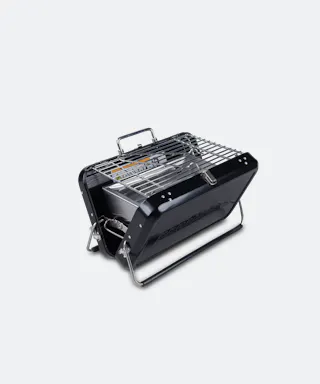
Snacks like nuts, berries and energy bars will help keep your energy up during rest stops while also being simple to pack without being crushed. For meals, consider dehydrated dinners or MREs (Meals Ready to Eat). Keep in mind that dehydrated dinners need water to prepare, so make sure you carry enough for both drinking and meal preparation. Bring a portable stove to help prepare meals, and outdoor cookware like pots and pans if you plan on preparing any fresh meals.
Hygiene
During your journey, you may not have access to showers and other facilities, so it is important to come prepared. Additionally, wet wipes and hand sanitiser are an absolute must for any road trip. Use these to clean yourself whenever possible, especially when it comes to preparing food. Bring a small bag with travel-sized deodorant, body wash, soap, shampoo, toothpaste and a toothbrush. Research locations that have showers and use these whenever possible. If there are none available on your chosen route, bring extra water to use for cleaning.
Clothing
While you could try camping in your riding jacket and boots, this may not give you the comfort and protection you need in certain conditions. Consider bringing along insulated clothing for when the temperature drops, as well as comfortable shoes for walking, hiking, or simply resting by a campfire.
First Aid
There is always the risk that you could become injured at some point on your journey. To avoid infection or serious damage, make sure to pack an emergency first aid kit fully stocked with medical essentials. Some important items to put in your kit include insect repellent, bandages, painkillers and any medication you are likely to need while out on the road.
Maintenance Tools
You never know when your motorcycle might run into trouble, leaving you stranded far from any service station. Therefore, you should carry a tool kit with you so that you can make any repairs when needed. Sockets, wrenches and screwdrivers are some basic tools you should carry, along with spare parts like spark plugs and cables.
Miscellaneous
Other basic tools you should bring include GPS navigation or a basic road map, at the very least. Lighting for when it is dark should also be considered. Power banks and USB chargers are important for keeping your devices from running down. Finally, consider bringing entertainment along, like books and music, to help you wind down during your rest periods.

How to Pack for Motorcycle Camping
When it comes to preparing for a motorcycle tent camping trip, careful planning is needed when packing your gear. Since you will have more limited storage space compared to other camping methods, you will need to be more strategic with how and what to bring with you. Here’s a guide on how best to pack for a camping motorcycle trip.
1. Choose the Right Equipment
Because space is limited, you should choose motorcycle camping accessories that are purpose-built for the great outdoors. Compact equipment made from materials that can hold out against the elements is key. Since you will have your equipment with you throughout the journey, make sure they are ones you actually need and won’t just take up precious space.
2. Make a Checklist
Once you have an idea of what you need to bring on your trip, make a motorcycle camping packing list. Rank the items you are most likely to use during your journey and give them priority in your storage. This way, if you find space is too limited to bring everything, you won’t leave anything important behind.
3. Select Hard or Soft Luggage
Once you know what to pack, the next thing to decide is the type of luggage to pack them in. Hard luggage is more secure and can often handle more scrapes than soft luggage. However, these options tend to be bulkier and more restrictive. Soft luggage is often better for extended trips, as they are lightweight and are a little more forgiving if you want to use extra space. Secure your luggage to your motorcycle via straps. Bring saddlebags for extra storage.
4. Pack Equipment Into Groups
To avoid having to rummage through your luggage trying to find your phone charger or toothbrush, use bags or packing cubes to sort equipment into groups. Not only will this make it easy to find your gear at rest stops, but it will help to maximise packing space. You can save extra space by packing socks and underwear inside your footwear and rolling up items like clothing.
5. Distribute the Weight Evenly
When it comes to distributing weight between luggage, you not only have to ensure it is even on both sides to maintain balance but also between the front and rear wheels. Otherwise, if there is excessive weight in the back, it could cause the front wheel to rise, affecting the stability of the motorcycle. Try to pack the heavy stuff lower than the lighter gear and keep it close to the centre gravity of the motorcycle.
6. Add Extra Protection
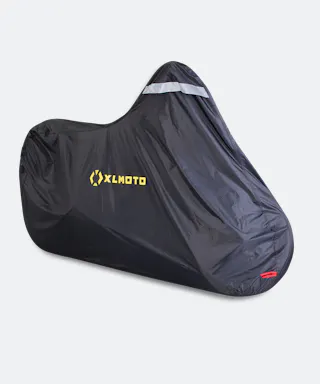
The weather can change at any point during your journey, so it is important to protect your luggage from the elements whenever possible. Consider purchasing waterproof luggage that is made from a lightweight but durable material. You can add an extra layer of protection by covering your luggage with a waterproof material such as a tarp.

10 Tips for Motorcycle Camping: Do's and Don'ts
Motorcycle camping offers a fun and exhilarating way to experience the world. However, there are still some things you should keep in mind to ensure your journey is an enjoyable one. Keep these tips in mind for your next motorcycle camping adventure.
Do: Plan Your Journey
While it might be tempting to just hit the open road and see where it takes you, this could end up being a risky decision. You may find yourself stranded in the middle of nowhere with no fuel, food, water, or phone signal to use to get help. Instead of heading out on a whim, take time to plan out your route in advance, marking potential rest stops, what to eat along the way and any sightseeing opportunities. Consider planning alternative routes as well, just in case your original route doesn’t go as planned. This will help you stay safe and make the most out of your motorcycle camping trip.
Do: Pack Smartly
Because storage space is limited, make sure to pack only what you need for your journey. Remember, you don’t need to pack everything, including the kitchen sink, when on the road. Chances are, you will be able to find supplies on the way if you plan your route correctly. Only bring the items you are certain you absolutely need, as well as anything that will help you out in an emergency. Make sure all items are suitable for camping to avoid any damaged or wasted gear.
Do: Check the Weather
No matter what time of year you plan on camping, the weather can change at any moment. That is why it is important to keep an eye on the forecast and plan ahead. Consider the temperature, humidity and wind speeds in each place you plan to set up camp. This can make the difference between an enjoyable motorcycle camping trip and a disastrous or uncomfortable one. Also, make sure to bring layered clothing in case the temperature drops, especially at night.
Do: Inspect Your Motorcycle
The last thing you want when setting out on a motorcycle camping trip is to break down somewhere because of a faulty part. Carrying out a simple maintenance check of your motorcycle before starting your journey will save you a lot of pain down the road. Go over the engine, brakes, battery, tyres, lights and fluids to ensure everything is in working condition. If possible, have it serviced by a professional mechanic before you go. Make sure to bring an emergency toolkit with you, just in case, and learn how to use the tools before heading out.
Do: Leave Nothing Behind
If you want to continue enjoying motorcycle camping well into the future, make sure not to do anything that could spoil the environment. Avoid leaving waste, such as empty packages and leftover food. Instead, dispose of it properly in a nearby rubbish bin, or wrap it up and take it with you until you can find a good place to dispose of it. In addition, be mindful of other campers and don’t interact with the local wildlife.
Don’t: Forget Your Safety Gear
If you’re in any way tempted to leave an item of safety gear behind for space or convenience, don’t. Every item of safety gear, from your helmet to your gloves and boots, is there to ensure you have a safe journey. Leaving any gear behind will open you up to the risk of serious injury, or worse, should an accident occur. Make sure to keep extra clothing in your luggage while wearing your safety gear on the road so you can easily change when you reach your destination.
Don’t: Leave Luggage Unsecured
In your hurry to get to your next destination on the road, it can be easy to neglect all the straps and fastenings for your luggage. Loose luggage presents a risk on the road, not just in terms of lost belongings, but as a potential road hazard to yourself and to others nearby. A bump in the road or a gust of wind could send your luggage flying off and may hit another car or person. Therefore, it is important to double-check that all luggage is well secured before setting off.
Don’t: Ignore Opportunities to Rest
It might be tempting to skip over that rest stop on your route and just continue on to your destination. However, doing so can put you at risk in several ways. Firstly, resting gives you time to replenish your energy through snacks. More importantly, it allows you to drink some water and keep your hydration levels up. Rest stops give you time to stretch your legs and avoid aches and pains from riding too long. Finally, it gives you the chance to refuel and avoid being caught out in the open with an empty tank.
Don’t: Ride While Tired
Another important reason to rest whenever possible is to avoid the risk of exhaustion. Riding while tired is extremely dangerous and could lead to loss of control and potentially serious accidents. If you are feeling tired at any point, pull over somewhere and take a break. When you reach your destination, try to get a good night’s rest so you are not fatigued the next day.
Don’t: Disregard the Local Rules
Before you head to a campsite, check what the local laws and regulations are for the area. Be aware that not every campsite will permit all motorcycles, so check ahead before arriving. Ignoring the local rules could lead to hefty fines or heavy penalties. Therefore, it is important to research the area before you travel, just to make sure you don’t accidentally break the law.
Closing Tips
While motorcycle camping is a fantastic way to explore the world and experience the great outdoors, it does come with risks. Therefore, you must plan ahead and take precautions before setting out. Make sure to bring essential items and pack them carefully and securely for your journey. Plan out your route and check the local weather conditions to avoid getting caught in bad weather. Finally, make sure to take plenty of opportunities to stop, rest, recharge and explore to make the most of your trip.


