07 Aug 2025 • 7m read
The Ultimate Checklist for Motorcycle Road Trips

When it comes to getting out and exploring the great open road, motorcycle road trips offer the best in freedom and adventure. Unlike your typical sedan, motorcycles put you right in the middle of the environment, so you can smell, hear, and feel the world around you as you ride. While motorcycle road trips are a fun and exhilarating way to explore the world, they do come with their own challenges. This guide is designed to help you prepare for epic motorcycle road trips, from what to bring to what gear to wear. We've also included some of the best routes to take for motorcycle road trips around the world. Read on to prepare for the ultimate motorcycle road trip.
How to Prepare for Your Motorcycle Road Trip
Whether you intend on a day trip somewhere nearby or an extended tour around the country, it always pays to be well-prepared before you set off on a motorcycle road trip. Without proper planning, you could find yourself stranded somewhere, without the right equipment to help you out. To ensure your road trip goes well and remains an enjoyable experience, here are some tips to consider.
1. Choose the Right Motorcycle
When choosing the right motorcycle for your road trip, remember that you will be sitting for long hours on it during your journey. Therefore, everything should be set to accommodate your height and weight. For instance, you may need to lower the seat or adjust the handlebars for comfort and ease of use. Make sure your motorcycle also has enough storage space for your journey. If possible, invest in a lockable top box and panniers or waterproof saddlebags for extra storage space. Finally, consider what sort of road trip you will be taking. Will it be mostly an off-road adventure across dirt tracks or a straightforward journey on paved roads with plenty of stops along the way? This will help you narrow down the type of motorcycle you will need for your journey.
2. Plan Your Route
While it may be tempting to use the GPS on your phone to guide you where you want to go, this can prove risky in areas where the signal is weak or non-existent. In such a case, it is important to familiarise yourself with old-fashioned methods for following routes, such as road maps, compasses and lists of directions. Downloading offline maps is also a great idea. Bring a pen or several with you. When you come to a stop, mark down places on your map and list the places you have successfully reached. By manually planning your trip out, you can often discover off-the-beaten-path places to explore along the way, which you might have missed if relying just on your GPS.
3. Pack for the Weather
Travelling on a motorcycle means that you will be exposed to the elements at all times. Even if you are aware of the weather forecast beforehand, sudden changes in temperature and conditions can catch you unawares on your journey. That's why it's important to plan for all eventualities on motorcycle road trips. Pack waterproof gear (jacket, trousers and gloves), as well as layered clothing for cold weather areas and plenty of water for hydration. Riding can be physically draining, and riding in rough weather conditions without preparation can make your journey exhausting. Therefore, always have enough gear on hand for all types of weather.
4. Take Frequent Breaks
It might be tempting to keep riding for as long as possible, rushing to get to your destination faster. However, doing so will leave you feeling tired and aching by the end of the day. Instead, it is better to take frequent rest stops, during which you get off for around 15 minutes and stretch your legs. After all, you chose to tour on a bike for the journey, not the destination. During these breaks, keep yourself fed and hydrated with plenty of snacks and water. This will help keep your energy up and enable you to stay alert while riding. Dried fruit, energy bars and nuts are easy to pack and will keep well during your journey, so prioritise these in your road trip travel kit.
5. Plan Out Where to Sleep
At the end of the day, when your body is tired and you just want to go to sleep, the last thing you want to be doing is searching for somewhere to spend the night. Before you go on your motorcycle road trip, make sure to work out where you plan to spend your nights on the road, whether camping or staying in motels. If you are planning to camp out during your journey, bring with you a single-person tent, a foam insulator and a sleeping bag. If you plan on sleeping in motels on your journey, try to book ahead whenever possible. If possible, pay extra for cancellation coverage. That way, you can get a refund should something unexpected occur.
6. Bring Maintenance Tools
Even if your motorcycle is brand new and has been recently serviced, there is always going to be the risk of something going wrong on the road. Parts can come loose, tyres can wear down, and you may find yourself stranded between fuel stations with a nearly empty tank. To avoid finding yourself in the middle of nowhere with a dead motorcycle, always bring the right equipment with you to fix your bike while on the road. Bring a kit of maintenance tools specific to your motorcycle model, as well as a few spare parts. Other good things to pack in your kit include a multitool, a puncture or tyre patching kit, duct tape, zip ties, a portable compressor and a battery jump starter. If you have space, bring some spare fuel along as well.
7. Practice Your Journey First
If this is your first time planning a motorcycle road trip, then jumping straight into a week-long journey into the wilderness is a sure way to run into trouble. Instead, you should spend at least a few months beforehand getting used to riding your motorcycle for long distances on the open road. Start off with half-day motorcycle journeys in areas not too far from home, then graduate to further day trips with a fully loaded motorcycle. This will give you an idea of what it will be like riding for hours on the open road, including how the added weight will feel on your journey. However, take a break just before your road trip so that you’re energised for the full journey ahead.
8. Create an Emergency Backup Plan
So you've practised your journey, planned your route, and packed everything you need to take on your motorcycle road trip. No matter how meticulously you plan your trip, something can always go wrong. From minor delays to serious accidents, having an emergency plan is vital when you are on the road. First, list on a sheet of paper any emergency contacts and any medication you need, and keep the sheet in your pocket. If you are incapacitated during your journey, this could potentially save your life. Make sure friends and family know about your journey, preferably someone at your point of origin and one at your destination. Finally, consider alternative routes in your plan if your main route should turn out to be blocked or impassable.

How to Pack for Your Motorcycle Road Trip
As with any long-distance trip, whether by car or bike, packing the right items is a must. Clothing, snacks, water and other essentials should all go in your motorcycle's storage for safekeeping throughout the trip. To maximise your space and ensure your items stay protected throughout the journey, consider these tips:
1. Prioritise your Essential Items
This includes clothing with thermal layering and waterproofing, water, snacks, toiletries, tools, GPS/maps and any important documentation. Consider a tank bag for keeping things like your wallet and insurance papers.
2. Only Take What You Need
If an item takes up too much space, consider whether it is something you can leave at home for a week.
3. Pack Heavy Items First
Put heavy items in the bag first and stack lighter items on top. This will help to balance the weight more evenly around the bike.
4. Roll Up Clothing
Roll up items of clothing instead of folding them. This will save on space and allow you to fit more in.
5. Pack For All Conditions
Pack items that can work in any weather conditions. This includes gear that is both durable and waterproof. You can also get a motorcycle jacket with removable liners and a zip-on rain cover.
6. Leave Some Space
Don't pack too tightly. Leave a little room for anything you want to bring back, like souvenirs.
7. Store Clothing in Your Shoes
Use your shoes for extra storage. Roll up your socks, underwear and shirts and place them inside an extra pair of shoes to save on storage.
8. Bring Entertainment
Bring along some entertainment. You'll have some downtime during your journey, so bring along a book or music player to keep yourself occupied when stopping for breaks.
9. Buy a Backpack
If possible, buy a motorcycle backpack. They are ergonomically designed and great additions for storage. However, avoid overloading them as this will put stress on your back.
10. Sort Items into Compartments
Organise your different belongings into different compartments. This will make it easier to find what you need later.
11. Share Items
If you are riding with a friend or with a group, share essential items during the journey. This will help save on storage by sharing items between riders since you likely won't need a whole roll of toilet paper for just yourself (at least, we hope not).
12. Use Compression Bags
Not only are compression bags great for packing more items into smaller spaces, but they are also waterproof.
13. Don't Neglect Security
Make sure all your storage bags and luggage are lockable, and keep valuables like wallets and phones on you at all times. Remember to take valuables out of your top box or tank bag when stopping for breaks or exploring destinations.
14. Bring Your Chargers
Any electronic devices you bring will need to be charged during your journey, so make sure chargers are packed away carefully during the journey.
15. Bring Zip Ties and Cords
If something happens and your luggage fails to close, having zip ties and cords on hand will add a backup layer of security.

Stylish Motorcycle Helmets for Road Trips
Hitting the road means getting the right safety gear together, and one of the most important for protection is your motorcycle helmet. Yet, just because you need sturdy protection for your head, it doesn't mean you can't do it in style. Here are some stylish motorcycle helmets to take with you on motorcycle road trips:
Shark Ridill 2
The ECE-certified Ridell 2 helmet boasts a compact, sporty look and comes with a host of Shark's key innovations. In addition to its outstanding safety features, it also comes with air inlets, spoiler and a Shark 3D "Best Fit" design for maximum comfort during your ride.
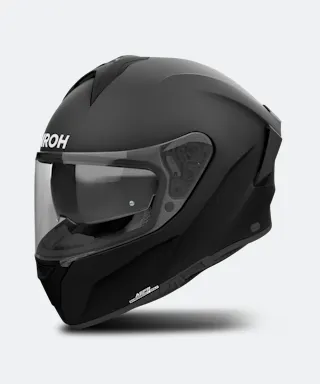
Airoh Spark
Made from High Resistant Thermoplastic (HRT), Airoh's Spark helmet is designed to be both internally comfortable and externally aerodynamic on the road. The ECE-certified helmet features a hypoallergenic removable lining with top and side air intakes for comfort, as well as a UV-resistant racing visor with Pinlock.



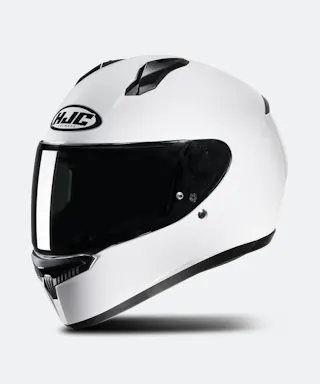
HJC C10
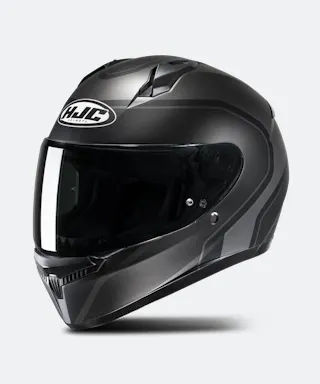
The HJC C10 is a strong, comfortable and lightweight helmet, competitively priced without sacrificing value and safety. It features a CAD-designed Advanced Polycarbonate Composite shell, a wide-view face shield and an Advanced Channeling Ventilation system. The HJC C10 is one of the best helmets for a safe and comfortable ride.





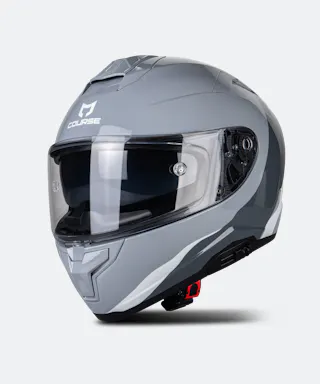
Course Raider Evo
Designed for seasoned pros and beginners alike, the Course Raider Evo Helmet not only looks good on the road but comes with a variety of safety and comfort features. It has a Pinlock 70 insert for fog resistance, plus an internal sun visor. Together with well-positioned air vents and a personalised fit, this helmet offers a stylish yet comfortable ride every time.



Best Routes for Motorcycle Road Trips
Now that you've prepared for your journey and chosen what to bring, it's time to start planning where you want to go. To help you out, here are some of the best-loved motorcycle road trips in the world:
1. Route 66 (USA)
Let's start with one of the world's most iconic motorcycle road trips. Route 66 is a stretch of highway that spans from Chicago to Santa Monica and is considered one of the classic American road trips. Take some time to explore the many sights along this route, including the famous Grand Canyon.
2. Pacific Coast Highway (USA)
Stretching from San Francisco to Los Angeles, the Pacific Coast Highway offers gorgeous views of the Californian coastline. Take in the amazing views at Big Sur and explore some of the seaside towns and hidden gems along the way.
3. Pan American Highway (North and South America)
The Pan Americana, or Pan American Highway, is the longest stretch of highway in the world, stretching from Prudhoe Bay in Alaska down to Ushuaia in southern Argentina. The entire route will take you through 14 countries and is as exhilarating as it is challenging. If you feel like heading down this route, be aware that some sections of the Highway are unfinished, particularly the infamously difficult Darian Gap crossing.
4. Highway 1 (Australia)
Highway 1 refers to a collection of national highways that circumnavigate the coast of Australia, stopping off at each mainland state capital along the way. It is one of the best ways to explore the country, from the beaches in Perth to the tropical rainforests of far north Queensland. Don't forget to take the ferry over to Tasmania and explore part of the route there.
5. Coast of Britain (UK)
Explore the various scenic nooks and crannies along the coastline of Great Britain. From the seaside towns of Devon and Cornwall to the rugged Highlands of Scotland, this journey will take you to some of Great Britain's most scenic locations.
6. Karakoram Highway (Pakistan/China)
Passing through the Himalayas, Karakoram and Hindu Kush mountain ranges, the Karakoram Highway is one of the most awe-inspiring motorcycle road trips in the world. Linking Hasan Abdal in Pakistan with Kashgar in China, this journey offers some dramatic views of some of the highest mountains in the world.
7. Amalfi Coast (Italy)
One of the most beautiful coastlines in Mediterranean Europe, this route will take you through historic seaside towns like Sorrento, Positano and Ravello. Be aware that the route has many twists and turns along the way, so ride carefully and stop frequently to enjoy the view.
8. Route 1 (Iceland)
Circling the entirety of Iceland, a motorcycle road trip on Route 1 is the perfect way to experience this amazing land. From volcanos to glaciers, this route will take you from Reykjavik through the north to Seydisfjordur in the east, then back around through the south. Remember to time your journey for the summer months when the route is completely open.
9. Transfăgărăşan Highway (Romania)
Jeremy Clarkson, formerly of Top Gear, once called this route “the most amazing road we have ever seen”. Take a ride through the scenic cliffs and forests of the Carpathian Mountains and see the beauty of the Romanian countryside. You can even extend your trip further by taking a trip through the Alps into the Balkans.
10. Trans Euro Trail (Europe)
If you are up for a true motorcycle adventure, then consider tackling the Trans Euro Trail, or TET for short. The TET passes through 28 countries, including the UK, and will take you through the forests of Scandinavia to the sunny coastline of the Mediterranean. While rewarding, this is a challenging route with plenty of unpaved sections, so make sure your bike is up to the journey before you go.

Motorcycle Road Trips for Beginners
If this is your first time doing a motorcycle road trip, you might be feeling overwhelmed by everything you need to do to prepare. To help you out on your first journey, keep these tips in mind, and you'll soon be riding confidently on your new motorcycle adventure.
1. Plan Your Journey
Plan your journey out in advance. Choose a preferred destination and route, then create an itinerary. Make a note of the distance and road conditions on the journey, as well as where to stop along the way.
2. Inspect Your Motorcycle
Thoroughly inspect your motorcycle before you set off. Check the tyres, brakes, lights and oil levels. Make sure your motorcycle is well-serviced and up for the journey ahead.
3. Ride Safely and Carefully
Ride safely and be mindful of others on the road. Be courteous and use hand signals while riding. Always maintain a safe distance from other vehicles on the road.
4. Bring Safety Gear
Always bring the right safety gear on your ride. Make sure your gloves, boots, jackets and trousers are sturdy, durable, and comfortable to wear throughout the journey. Invest in quality gear that can withstand any weather conditions.
5. Pack Smartly and Efficiently
Prioritise taking essential items like clothing, toiletries and consumables. Roll up clothing to save space, and keep items in secure and waterproof storage containers.
6. Check Conditions
Stay updated on changes in the weather and road conditions. Watch the forecast and prepare accordingly. Take note of potential delays and road closures, and adjust your route if necessary.
7. Rest Frequently
Remember to take plenty of rest stops along your journey. Use this time to stretch your legs and keep up your hydration and energy with snacks and water. Try to plan your stops around scenic locations that you can explore along your journey.
8. Enjoy Your Journey
Remember, it isn't a race, so take your time getting to your destination. Explore the world as much as possible, enjoy the scenery, and make the most of all the unique locations throughout your journey.
Closing Tips
Exploring the open road on a motorcycle road trip is an exhilarating experience so long as you prepare well beforehand. To ensure that everything goes well on any future motorcycle road trips, keep the following tips in mind.
Prepare for your trip well ahead of time including planning your route, bringing the right tools and checking that your motorcycle is up for the journey.
Make sure to pack any essential belongings for the journey. Try to pack as compact as possible to avoid overloading your bike.
Make sure your safety gear is well-equipped for your journey and offers comfort as well as protection.


Related article
Top 5 Motorcycle Routes in Italy

Related article