30 Apr 2026 • 5m read
How to Ride a Motorcycle: 12 Beginner Tips to Get You Started

If you are new to the world of motorcycling, you may be wondering if it's right for you. Sure, there are more safety requirements compared to driving a car, and you need to be in both good mental and physical shape to ride one properly. Yet riding a motorcycle is an exhilarating experience and offers you freedom on the open road like no other. That said, there are some basic tips every beginner should learn to get started safely. Take a look at these 12 tips on how to ride a motorcycle safely and confidently every time.
1. Choose the Right Motorcycle
Let's start at the beginning. There are many types of motorcycles out there, from large cruisers to smaller and lightweight sports bikes. If you haven't had experience riding a motorcycle before, this can feel overwhelming. Nonetheless, this is an important step in gaining the confidence to ride freely on the road. To help you choose the right motorcycle for your needs, here are some things to look for.
What's Your Style?
Not all motorcycles are built the same, and the style of riding you plan to do should inform the type of motorcycle you choose. For example, cruisers are large and heavy motorcycles built for the open road. They are great for new riders thanks to their low seat height, durability and easy controls, but some may have poor ergonomic designs that take some getting used to. Sport bikes, on the other hand, are smaller, lighter and great for use on the track—but not so much for long road journeys. Whatever you choose, make sure it fits your style of riding.
Old vs New
While it might be tempting to go out and buy the latest model on the market, there are some advantages to buying a used motorcycle. On one hand, newer motorcycles have the latest features and designs, but they come with a hefty price tag. However, used motorcycles may have more wear and tear, but if well-maintained, they can offer a reliable ride at a fraction of the cost of newer models. It's a good idea to weigh up the pros and cons of each before making a purchase.
Fit and Comfort
Motorcycles come in different sizes, shapes and styles, and it's important that you find it comfortable to sit on before you make your purchase. Try sitting on one you are considering buying and see how it feels. Can you easily touch the ground while reaching the controls? Can you turn the bike easily? Do you have to overextend yourself while riding, or do you feel cramped in? Find the motorcycle that fits your form for an easy and comfortable ride.

2. Choose the Right Equipment
Once you have your new motorcycle, you might feel ready to give it a ride. However, riding without the right safety gear can be a recipe for disaster. While it might be tempting to ride in your street clothes, the consequences could be devastating if you are involved in an accident. To keep yourself safe and well-protected, invest in the following equipment.
Helmet
In a motorcycle accident, your head is the most at risk of serious injury. As such, a good quality motorcycle helmet should be the first piece of equipment you buy. Motorcycle helmets come in a variety of shapes and sizes, so make sure you choose one that fits comfortably. It should also meet current safety standards and have undergone rigorous testing to ensure it offers suitable protection on the road. Make sure the helmet has a visor to protect your face during rides.
Jacket
During a ride, your body and internal organs are vulnerable to injury in case of an accident. A good motorcycle jacket keeps you comfortable in all kinds of weather—and if it’s made from tough materials like leather, it offers excellent abrasion resistance. Many also come with built-in armour to help protect against impacts in the event of a fall. Make sure the jacket fits comfortably and is made of a strong material that is well-suited for the conditions you plan to ride in. Choose a jacket specifically designed for motorcycle riding for the best protection.
Boots, Gloves and Pants
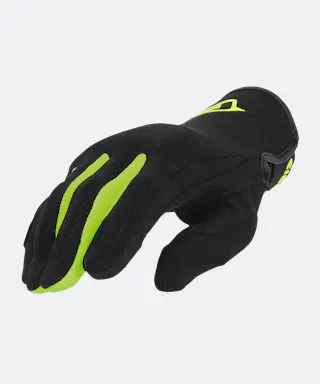
Your motorcycle boots, gloves, and pants should strike the right balance between comfort and protection. Look for gloves made from leather or reinforced textiles with padded palms and knuckle guards. Boots should cover the ankle and offer a solid grip, impact protection, and oil-resistant soles—regular shoes just won’t cut it. And for your legs, go for motorcycle pants or trousers made with abrasion-resistant materials like Kevlar or Cordura to help protect you in case of a fall.




3. Learn the Controls
Before starting up your motorcycle and hitting the road, take time to get familiar with your motorcycle’s controls and layout. Knowing exactly where everything is and how each part functions is essential—especially in situations where you might need to react quickly. These are the most important controls every rider should know before setting off.
Throttle
The throttle can be found on the right side of the handlebar and is used to control the engine's speed. Rolling the throttle back toward you will allow you to accelerate, whereas rolling it forward (away from you) helps you decelerate.
Brakes
Motorcycles have a front and rear braking system for stopping. The front brake lever is on the right side of the handlebar in front of the throttle. The rear brake is positioned near the right side foot peg and must be activated by your right foot.
Clutch
The clutch is used for changing gears and is located on the left side of the handlebar, opposite the throttle. When shifting gears, roll off the throttle first, then squeeze the clutch to disengage power from the rear wheel. This allows for a smooth transition between gears, whether you’re accelerating or slowing down.
Shift Lever
The shift lever is located near the left foot peg, opposite the rear brake lever on the right. To change gears, use your left foot—push the lever up firmly to shift into a higher gear, and push it down to go into a lower one. Most bikes have neutral in the middle, with first gear below and gears two to six above.
The Rest
Other controls you should be familiar with include:
Dashboard: Contains speedometer (current speed), tachometer (engine speed) and a neutral indicator
Mirrors: Essential for checking who is behind you
Signals: Indicate when you are making a turn
Lights: Low and high beams for seeing in low visibility settings
Kill Switch: Shuts off the engine
Starter: Located near the kill switch and starts the engine


4. Practice Basic Riding
Now that you have familiarised yourself with the controls, you can begin some basic manoeuvres that will help you on the road. Remember to take things easy—if at first you don't succeed, keep practising until you get the hang of the basics.
Mount Your Motorcycle
To get on your motorcycle, stand on the left side of the bike with both hands on the handlebars. Keep your weight balanced and steady, then lift your right leg up and over the seat in one smooth motion. Once you’re seated, place both feet firmly on the ground.
Start the Motorcycle
Turn the ignition to the ‘on’ position. Some bikes have a gear indicator that shows when you’re in neutral, but not all—so it’s always good to double-check. If it isn’t in neutral, gently rock the bike back and forth while tapping the gear lever with your left foot until it slips into place. Once you’re in neutral, make sure the kill switch is in the ‘run’ position, pull in the clutch, and press the starter switch to fire up the engine.
Use the Clutch
Practice easing out the clutch while shifting into first gear. With the bike in neutral and the engine running, pull in the clutch and gently tap the gear lever down with your left foot to shift into first. Slowly release the clutch until you feel the friction point—this is when the bike starts to “bite”—and the engine begins engaging the rear wheel. Add a little throttle to help get moving. If the bike stalls, don’t worry—just shift back to neutral, restart the engine, and try again. Once the bike starts rolling forward, lift your feet onto the foot pegs. Letting them drag on the ground can throw off your balance and control. Practice this start-and-go motion several times until it feels smooth and natural.
Shift Gears
Once you’re comfortable riding in first gear, start practising gear shifts.
To upshift, roll off the throttle, squeeze the clutch, and use your left foot to tap the gear lever up. Then, smoothly release the clutch and roll back on the throttle.
To downshift, do the same—but tap the gear lever down instead. Try to match your engine speed with your road speed as you roll off the throttle and release the clutch, which helps avoid jerky movements.
Repeat this process until shifting becomes second nature.
Practice Turning
After you’ve built up some speed, try practising gentle turns. To do this, steer the bike slightly in the direction you want to go while keeping your body relaxed and eyes focused ahead. Avoid braking mid-turn—just ease off the throttle to reduce speed, then gradually roll it back on as you exit the turn. Once the turn is complete, bring the bike smoothly back to an upright position.
Apply the Brakes
To come to a complete stop, it’s best to slow down gradually rather than brake suddenly. Simply ease off the throttle, pull in the clutch, and then apply both the front and rear brakes progressively and evenly. Use smooth, even pressure until you’ve come to a full stop and feel confident to continue.
5. Practice in a Safe Area
Having mastered the basics, you should have more confidence in your motorcycle riding abilities. However, you'll still need plenty of practice before you are ready to hit the road. Rather than trying to learn in busy traffic, here are some safe spaces to practice.
Car Parks
Many locations, such as schools and businesses, have car parks that are almost or fully empty in off-peak hours. This makes them a great location to practice riding safely, but it’s always best to ask permission beforehand, especially if the space is privately owned.
Quiet Streets
If you know of any areas in your vicinity where there is little to no traffic or activity, these might be a good place to practice your riding. These places allow you to drive for long stretches of road without needing to stop for traffic. Just make sure to keep an eye out for any other unexpected visitors in the area.
Parks
Parks offer a quiet area to practice away from people and traffic. Depending on the condition of the park, you may find trails that allow you to practice without being disturbed. However, make sure the park allows for motorcycle riding before you enter.
Private Property
If you have access to a private area with plenty of space to ride in, this offers the perfect opportunity to practice quietly. If you don't have access to private property yourself, look around and see if you can ask permission from someone local.
6. Practice Slow Riding
Slow-speed manoeuvring is one of the trickier skills to master when learning to ride. At low speeds, you don’t have the momentum to help keep the bike upright—so balance, throttle control and brake finesse become essential. These skills are crucial in situations like traffic jams, parking lots or making tight U-turns. Here are some tips to help you practice slow-speed control with more confidence.
Keep the Throttle Steady
While it may be tempting to use the throttle during slow-speed manoeuvres, even a slight twist can cause the bike to jerk forward unexpectedly. Instead, aim for a steady throttle and use the clutch to control your speed smoothly.
Use the Rear Brake
Using the rear brake while riding slowly is a great way to maintain stability, as it adds gentle tension to the rear suspension. Avoid using the front brake at low speeds, especially when the handlebars are turned—it’s much more powerful and can cause the bike’s weight to shift forward suddenly, increasing the risk of tipping over. Instead, use the front brake only when you need to come to a complete stop and the bike is upright.
Avoid Leaning on Turns
Turning at slow speeds works differently than it does when you’re riding faster. Instead of leaning into the turn, keep the bike mostly upright and use small shifts in your body weight and handlebar input to guide the bike. Stay relaxed and practice until it feels natural.

7. Take a Road Course
Even if you’ve mastered the tips in this guide, taking a professional motorcycle safety course is one of the most important steps you can take. In many countries, such as the USA, the Motorcycle Safety Foundation (MSF) offers widely respected training programs. In the UK, Compulsory Basic Training (CBT) is required before riding on public roads, and in Europe, similar certified courses are often mandatory.
These courses typically take just a few days and include both classroom instruction and hands-on practice in a controlled environment. Not only are they often required for obtaining your motorcycle licence, but they’ll also teach you essential techniques and manoeuvres that could save your life. Check what’s available in your area and consider enrolling when you’re ready.
8. Maintain Your Balance
The design of your motorcycle—and the momentum you gain at speed—helps keep it upright. But your own body position and control are just as important. Your posture, body position, and even small movements all play a key role in keeping the bike balanced and stable. The tips below will help you stay centred and in control, especially at low speeds or during manoeuvres.
Maintain Good Posture
Your position and posture on the motorcycle are key to staying balanced, especially at low speeds or during turns. Sit close to the tank and gently grip it with your knees to help anchor your lower body—this takes the pressure off your arms and improves overall control. Keep your arms relaxed to avoid fatigue, use your core muscles to stay stable, and always keep your feet on the footpegs to maintain balance and quick access to the controls.
Turning and Cornering Safely
Turning a motorcycle depends on your speed. At low speeds, you steer by turning the handlebars in the direction you want to go—like riding a bicycle—while using your body to stay balanced. At higher speeds, you’ll use countersteering: gently push the handlebar in the opposite direction of the turn, and the bike will begin to lean and turn. Let your body lean naturally with the bike—don’t fight it. Start with gentle, low-speed turns to build confidence, then practise countersteering and leaning in a safe, open area. Always look where you want to go—your bike will follow.
9. Be Cautious and Alert
When it comes to motorcycling in traffic, it's important to be aware of danger at all times. Many motorists fail to notice motorcyclists on the road—and should an accident occur, you are at greater risk of injury. Therefore, consider the following tips to remain safe on the road.
Scan Ahead
Try to look ahead to anticipate any potential risks early. Observe the traffic, the road and any obstacles, particularly in busy areas. Make a note of where everything is and where they are flowing so you can take whatever action might be necessary.
Expect the Unexpected
You can't always see the dangers around you, but you can always anticipate them. Always approach blocked areas with caution so you can react appropriately should you encounter sudden danger.
Remain Visible
The best way to stay safe on the road is to make sure other drivers can see you. Try not to ride in blind spots, and always use your signals when changing lanes. Wear bright or reflective gear so that you’re easier to spot, especially in low light. You can also use your low-beam headlight during the day to help others see you. Just don’t ride with your high beams on all the time—they can blind other drivers and make it harder for them to judge your distance.
Keep Your Distance
The closer you are to obstacles and other vehicles, the harder it is to avoid accidents or react in time. Always keep a safe following distance so you have enough space to brake or swerve if needed. A good rule of thumb is the 2-second rule: pick a fixed object on the road (like a sign or lamppost), and when the vehicle in front of you passes it, start counting “one-one-thousand, two-one-thousand.” If you reach the object before you finish counting, you’re too close. In bad weather or at higher speeds, increase this to 3 or 4 seconds for extra safety.
Avoid Confrontation
While it's normal to get frustrated at slow traffic or poor decisions by other drivers, getting angry and acting aggressively can lead you to make potentially serious mistakes. In addition, getting into arguments or fights is a one-way trip to disaster. Instead, stay calm and try to avoid such confrontations whenever possible.

10. Maintain Your Motorcycle
Whether you have a brand-new motorcycle or a second-hand one, you'll need to maintain it regularly to make sure it remains roadworthy. Do the following checks to ensure your motorcycle is well-maintained.
Tyres
Check your tyres regularly for wear and tear and ensure they’re inflated to the correct pressure. Most UK and EU motorcycles list this in bar (1 bar = about 14.5 PSI), though some manuals may also show PSI. You can usually find the recommended pressure in your owner’s manual or on a sticker near the swingarm or chain guard. Look out for any cuts, cracks or bulges that might mean it’s time to replace the tyre.
Brakes
Before each ride, squeeze the front brake lever and press the rear brake pedal to make sure they feel firm—and that the bike doesn’t roll when applied. Visually inspect the brake pads—if the pad material is thinner than 3mm, it’s time to replace them. Also, listen for any unusual squeaking or grinding sounds, which could point to worn pads or issues with the brake rotors.
Battery
If well maintained, most motorcycle batteries can last up to two years without needing replacement. To keep yours in good condition, make sure to charge it regularly. Remove the battery from its compartment, attach the charger, and check that it’s fully charged before reinstalling. If you’re charging it manually, be sure to disconnect the battery from the bike first to avoid any electrical issues.
Oil
Check your oil level regularly—ideally once a month or before a long ride. Most bikes have a dipstick or sight glass. If the oil looks dirty or low, it’s a sign your bike might be due for a service. Even if you’re not changing the oil yourself, keeping an eye on it helps you spot problems early, like leaks or excessive oil use. When in doubt, book a check-up with your local mechanic or service centre.
Coolant
Coolant helps protect your engine from overheating in summer and freezing in winter. Check your coolant level now and then—most bikes have a reservoir with clear minimum and maximum lines, making it easy to spot if you’re running low. If the level is low or the coolant looks dirty or rusty, it might be time for a flush or top-up. Since changing coolant involves working with hot engine parts and fluid, it’s usually best to have a mechanic do it unless you’re confident in your skills.
Body
Keeping your motorcycle clean isn’t just about looks—it also helps prevent long-term wear and paint damage. Rinse it with cool water to remove dirt and grit, then use a soft cloth or sponge along with a motorcycle-specific shampoo. Avoid household cleaners, as they can be too harsh on your paint and finishes. Once clean, dry the bike thoroughly to prevent water spots or corrosion, especially on metal parts.


11. Pay Attention to Your Body
Compared to driving a car, motorcycle riding requires you to be in peak mental and physical health at all times. To make sure your ride goes as smoothly as possible, follow this advice.
Stay Alert
Riding safely requires your full concentration on the road at all times. Avoid any distractions, such as touching the radio or checking your GPS while riding. Do these things only when safely stopped. Also, avoid riding while tired or intoxicated.
Stay Relaxed But Focused
Riding for too long with tense muscles or an overstretched posture will make your ride uncomfortable and leave you feeling fatigued more quickly. Aim to maintain a relaxed yet stable posture: keep your back straight, arms loose, and feet firmly on the footrests.
Stop When Tired
Riding a motorcycle for long periods takes a lot of concentration, and eventually, you'll feel exhausted. If at any point you feel tired or tense, stop and take a break. It’ll help you stay sharp and reduce the risk of losing focus at a critical moment on the road.
12. Avoid These Common Mistakes
Here are some common mistakes that beginner riders often make:
Forgetting to fully remove the kickstand before riding, causing the bike to stall
Failing to adjust speed or suddenly braking when going around corners
Being too reckless in traffic and failing to anticipate motorists and other potential risks
Riding in street clothes without any protective gear
Failing to engage the turning signals when making a turn
Riding with an incorrect posture
Not accounting for extra weight and balance distribution when riding with a passenger
Learning how to ride a motorcycle for the first time can be an exciting and rewarding experience. But before hitting the open road, it’s essential to get plenty of practice and build your confidence. Keep these tips in mind, and you’ll develop the skills you need to ride safely and enjoy every journey. And remember—keep the shiny side up and the rubber side down. Ride safe, and ride smart.


