30 Apr 2026 • 5m read
How to Clean Your Motorcycle Helmet

Nothing ruins a ride faster than a smelly helmet or a visor you can’t see through. Sweat, grime and dead bugs build up fast, but before you buy a new motorcycle helmet, give yours a proper clean. With our simple guide to clean motorcycle helmets, you’ll find it’s easier than you think. Here’s how to get your lid fresh, clear and ready for every ride.
Why Cleaning Your Motorcycle Helmet Is Important
As a rider, you count on your helmet to protect you, but it only works its best if it’s in good condition. Dirt, sweat and oil gradually break down the padding, road grime clogs the vents, and a dirty visor makes it harder to see the road ahead.
A quick clean now and then keeps your helmet fresher to wear, more comfortable on long rides, and ready to perform properly if you ever need it. Since it’s also one of the priciest bits of gear you’ll buy, a little care goes a long way in making it last.
Tools and Products Needed To Clean a Motorcycle Helmet
Whilst you don't need all sorts of specialist equipment to get a clean motorcycle helmet, it is essential to use the right products to avoid causing damage. Stay away from abrasive sponges and solvent-based cleaners that could damage the shell of your helmet, sometimes without you even realising.
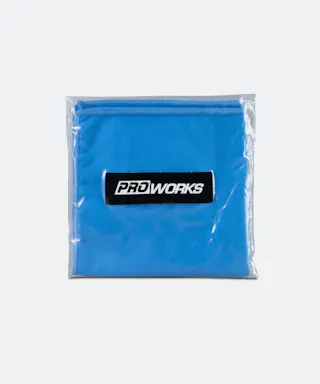
The bare minimum you will need is warm water, a mild shampoo (such as baby shampoo), some kitchen roll and a microfibre cloth. If you really want to do a perfect job, you can also get motorcycle helmet cleaning kits, which contain everything you would need, such as brushes for the vents, cloths, foam cleaners and visor spray.



Step-By-Step Guide To Cleaning a Motorcycle Helmet
Step 1: Strip it down
Start by removing any parts that are designed to be removed, such as the visor and the interior padding. This will give you access to clean everything properly, and also a great opportunity to check your helmet for any damage. Before you start wrenching everything off, look carefully at how they detach so that you'll be able to put them back in. Never use the emergency quick release feature to remove interior padding, because this may cause damage and is designed to be used only when really needed.
Step 2: Clean your padding
Use warm water to gently hand-wash your interior padding in a large bowl or the kitchen sink. You can also use a mild shampoo, such as baby shampoo, which will gently break down any sweat and oil deposited from your skin. Feel free to change the water a few times until you can see your pads are clean, then leave them to air dry. Avoid exposing them to artificial heat sources, such as radiators or hairdryers, because this could cause them to lose their shape.
If the padding in your motorcycle helmet isn't removable, use a damp cloth or some specialist foam cleaner to clean and deodorise it.
Step 3: Clean Your Visor
If you have a Pinlock anti-fog insert, remove this before cleaning the visor. You can clean your visor without fancy products simply by covering it in kitchen roll soaked in warm water, which will lift dead flies without the need for hard rubbing. You can also use a microfibre cloth designed to avoid scratches. Alternatively, you can buy a visor cleaning spray, which will also work well.
Step 4: Clean Your Helmet Shell
You can clean the helmet shell with warm water and kitchen roll, or simply wipe it down using a damp microfibre cloth and then dry it off. For the vents and hard-to-reach areas, a soft paintbrush works well to clear out any stubborn dirt or dead bugs. While the visor is off, it’s also a good time to check the mechanism. Some manufacturers even include a small bottle of silicone oil, which you can use to keep it moving smoothly.
Step 5: Refit It
Once your clean motorcycle helmet is dry, you can start putting it back together. Make sure the padding is completely dry before refitting, then work in reverse order of how you took it apart, usually starting with the crown pad. If you’re unsure, most manufacturers (and plenty of YouTubers) have clear guides to follow. And if you’ve got an intercom fitted, double-check the wires so nothing gets pinched when everything goes back in place.
With it all back together, you're now ready to ride in your clean and fresh motorcycle helmet!

Common Mistakes When Cleaning a Motorcycle Helmet
The most common mistake riders make when cleaning a motorcycle helmet is not cleaning it at all. Over time, the interior fills with sweat and oil, making it unpleasant to wear. Baked-on flies can also damage the shell, especially if your helmet has a matt finish, so it’s worth getting into the habit of wiping them off after every ride.
Your visor is another weak point. It’s your only window to the road ahead, and if you let it get dirty, your visibility will suffer. Glare from oncoming headlights becomes more distracting, and your helmet won’t perform as well overall. A neglected helmet won’t last as long and may not protect you as effectively when it matters most.
Another common mistake is rushing to remove or refit the interior padding. Being too rough can damage the retention system, leaving you with loose pads or even the need for a new helmet. And if the pads aren’t refitted properly, the helmet can feel awkward and uncomfortable the next time you ride.
Keeping Your Helmet Fresh for Every Ride
Regular helmet care keeps your gear comfortable and safe. By giving attention to the shell, visor, and interior padding, you enjoy a cleaner, clearer ride.
For further advice, you might find these guides helpful: how to clean a motorcycle helmet, helmet care tips from BikeSocial, and cleaning and sanitising advice from Dainese. Used alongside this step-by-step guide, they’ll help you keep your helmet in top condition for every ride.
